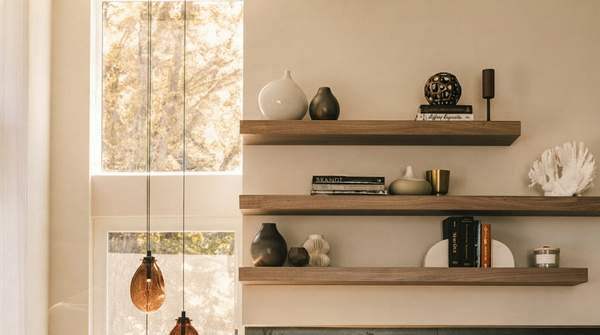
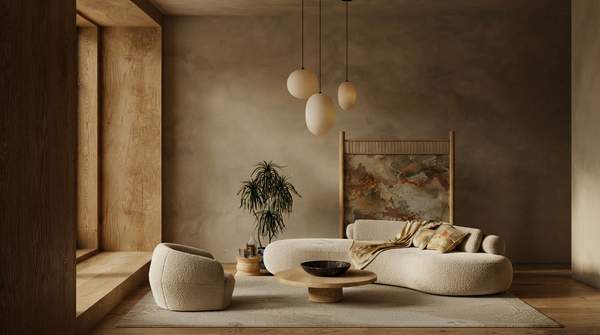
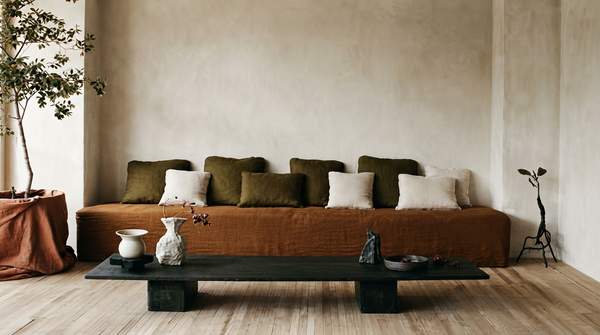
Instead of a sprawling McMansion, a growing number of California homeowners are opting for homes where the living room opens directly to a koi pond, blurring the lines between inside and out. This design choice creates an immediate sense of calm and connection, redefining luxury around harmonious living.
Japanese architectural traditions are centuries old, developed for a humid, temperate climate with abundant rainfall. California, however, faces persistent drought and wildfire risks. This inherent tension demands innovative adaptations, not direct replication. Yet, these core tenets prove remarkably relevant and adaptable to contemporary California living.
As environmental consciousness and a desire for mindful living grow, the thoughtful adoption of Japanese design principles appears likely to become a more prominent and influential trend in California home design. Mindful, sustainable living offers superior psychological and environmental benefits, surpassing sprawling, resource-intensive McMansions.
A 2023 survey found that 30% of new custom homes in Malibu incorporated elements like shoji screens or engawa-style decks, according to the California Home Builders Assoc. This departure from traditional Western layouts emphasizes a deeper connection to nature. Further, Studio MA, an architectural firm known for minimalist designs, reports a 40% increase in client requests for "Zen-inspired" spaces over the last five years, as detailed in a Studio MA Client Report. These figures collectively show a clear market shift: homeowners increasingly seek tranquility and natural integration over conventional grandeur. For instance, one homeowner in Ojai replaced traditional walls with sliding glass panels and natural wood screens, transforming their living space into a seamless indoor-outdoor experience, reported the Ojai Valley News. This illustrates how residents are actively seeking tranquility, prioritizing psychological well-being and environmental stewardship over sheer square footage.
The Core Principles of Japanese Design
The intentional use of empty space, 'Ma', is fundamental to Japanese design, creating openness and flow, according to the Japanese Architecture Review. It's not about emptiness, but the space between elements, allowing them to breathe. 'Shakkei', or 'borrowed scenery,' integrates external landscapes directly into the interior, often through carefully placed windows, as noted by Architectural Digest Japan. This technique makes a home feel larger and more connected to its surroundings without adding physical square footage, a crucial benefit in space-conscious California.
Natural materials like wood, bamboo, and stone are fundamental to this aesthetic, chosen for their inherent beauty and ability to age gracefully, states Sustainable Design Quarterly. They bring warmth and authenticity, grounding the home. The 'engawa', an outdoor veranda or hallway, further blurs the line between interior and exterior, a common feature in traditional Japanese homes, according to the Kyoto Design Institute. These elements collectively create spaces that feel both natural and deeply integrated with their surroundings.
Adapting Tradition: Japanese Design in a California Context
California architects frequently substitute traditional Japanese cypress with locally sourced redwood or cedar for structural elements and finishes, according to the AIA California Chapter. This ensures sustainability and regional availability. The concept of 'wabi-sabi', finding beauty in imperfection, translates into exposed concrete, reclaimed wood, and natural patinas in many modern California homes, as highlighted in Dwell Magazine. This embraces the authentic character of aging materials, moving beyond artificial perfection.
Instead of traditional tatami mats, California homes might use polished concrete or wide-plank oak flooring to maintain simplicity while suiting local climate and lifestyle, reports California Living Magazine. These choices offer durability and ease of maintenance, crucial for active California living. Sliding glass walls, common in modern California architecture, serve a similar function to shoji screens, creating flexible, open spaces that connect indoors with outdoors, notes Sunset Magazine. This thoughtful evolution maintains core Japanese design principles while embracing local materials and climate, making homes resilient and resource-efficient in California's unique environment.
Beyond Aesthetics: The Tangible Benefits of Mindful Design
Homes incorporating Japanese design elements often report lower energy consumption due to passive cooling, natural light optimization, and strategic shading, states Environmental Building News. This focus on natural systems reduces reliance on artificial heating and cooling, saving homeowners money. Studies suggest that living in spaces with strong connections to nature can reduce stress and improve mental well-being, according to the Journal of Environmental Psychology. The intentional blurring of indoor-outdoor boundaries offers residents a constant visual and sensory link to the natural world, directly contributing to this psychological benefit.
The minimalist approach inherent in Japanese design encourages decluttering and intentional living, leading to less consumerism and a more peaceful home, as advocated by the Marie Kondo Institute. This philosophy prioritizes quality of experience over quantity of possessions, fostering calm and order. Resale values for homes featuring well-executed Japanese-inspired design elements have shown a premium in competitive California markets, according to Sotheby's International Realty. proving the tangible benefits extend beyond aesthetics, contributing to environmental sustainability and resident well-being, making these properties highly desirable.
Common Questions About Japanese-Inspired Homes
What are the key elements of Japanese interior design?
Key elements include natural materials like wood, bamboo, and stone, a minimalist aesthetic prioritizing functionality, and the intentional use of 'Ma' (empty space) for openness. Sliding doors or shoji screens also provide flexible space. These foster tranquility and a connection to nature.
How to incorporate Japanese design into a modern home?
Prioritize natural light, use a neutral color palette, and integrate natural materials like light wood or stone flooring. Add elements like a small indoor garden, low-profile furniture, or a water feature. Focus on decluttering to enhance 'Ma' and create a serene, functional space.
What is Wabi-Sabi in design?
'Wabi-Sabi' is a Japanese aesthetic philosophy finding beauty in imperfection, impermanence, and natural decay. In design, it means appreciating cracks, aged patinas, or uneven textures. It encourages using natural, raw materials that show their age and history, fostering authenticity over flawless perfection.
The Future of Serene Living in California
The convergence of California's indoor-outdoor lifestyle and Japan's minimalist aesthetic creates a powerful synergy, according to the Global Design Trends Report. This offers a compelling blueprint for future housing developments that are both aesthetically pleasing and inherently resilient. Architects predict a continued rise in demand for homes prioritizing natural light, sustainable materials, and a sense of calm, states the Future of Architecture Survey.
You can embrace these principles to build a living space that truly supports your well-being. Looking ahead, the Residential Design Standards Ordinance, managed by Los Angeles County Planning, will likely see further revisions by 2026 to encourage such sustainable and adaptable design elements in new constructions across the region, making these mindful homes more accessible to you.