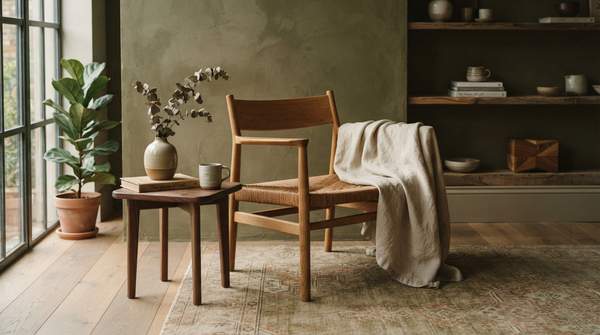
Slow design means choosing furniture and decor for longevity, honest materials, and personal meaning rather than speed or trend-appeal. Designers describe it as an intentional way of building a home over time, piece by piece, instead of filling a space as quickly as possible. In practice, it rests on a handful of principles—well-being, sustainable and local sourcing, timelessness, craftsmanship—that you can turn into concrete questions to ask before any purchase. That translation, from philosophy to a usable checklist, is what this article delivers.
What is Slow Design?
Slow design is a mindful approach to creating interiors where functionality and beauty combine with respect for the environment and for people. It belongs to the same family of ideas as slow food and slow fashion: a deliberate rejection of fast consumption in favor of fewer, better things. Writers on the subject consistently frame it as the opposite of decorating for the sake of completion.
Nicole Ziza Bauer, writing for Camille Styles, defines slow decorating as "a mindful approach to decorating your home over time versus all at once," prioritizing quality over quantity with an emphasis on personal style instead of what's trending. The goal, she notes, is collecting meaningful pieces rather than filling a space or amassing more things—an approach she says helps you avoid rushed, regretful purchases.
House Beautiful's Jessica Cherner, surveying designers on the practice, describes it as choosing pieces "that hold personal significance and offer lasting value rather than filling a space as quickly as possible." The slow approach also asks you to consider the impact of your choices on your living environment and on the planet, not just on how a room photographs today.
Core Principles of Slow Design for Your Home
Across design publications, the same principles recur. Well-being comes first: slow design prioritizes the quality of life of the people who use a space. Andrea Claire, an interior designer writing on her studio's site, argues that surrounding yourself with carefully made objects can improve your quality of life and overall well-being, while reducing household waste and supporting the creative communities who preserve traditional craftsmanship.
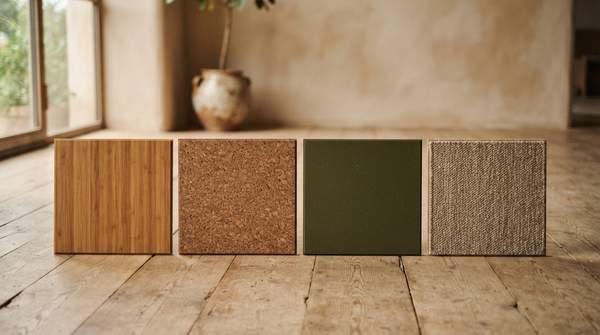
Second, materials and sourcing. Slow design emphasizes local and recycled materials, artisanal and sustainable production, and sociocultural benefits such as rescuing traditional techniques and fostering connection with local identity. Third, longevity: pieces should transcend generations and avoid planned obsolescence, with forms that improve with age rather than succumb to it.
Fourth, timelessness over trend. Slow design explicitly rejects the fleeting nature of trends in favor of aesthetics that endure, focusing on spaces that reflect individual style and values rather than the latest fad. And fifth, personal significance: the curation process itself is meant to produce homes filled with pieces that have personal meaning and are made to last.