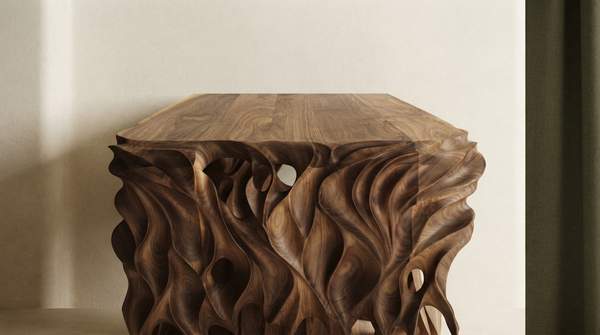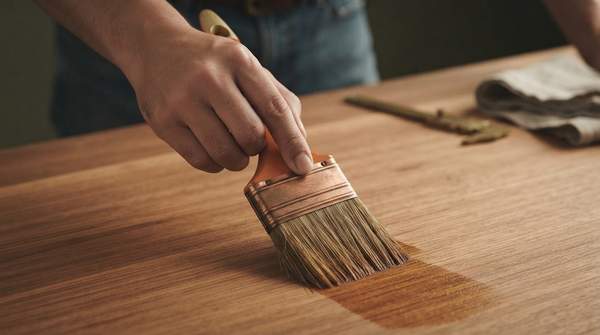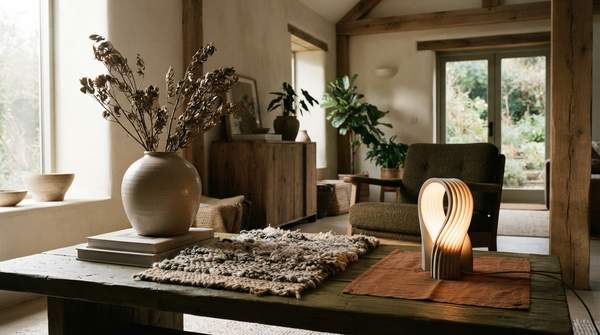
Eco-friendly home decor sorts itself into four practical categories: items made from reclaimed or recycled materials, items made from rapidly renewable resources, textiles woven from natural and organic fibers, and energy-efficient technology such as LED lighting. Each category earns its green credentials in a different way—one diverts waste from landfills, another grows back quickly, one biodegrades, and one simply consumes less electricity. Understanding which benefit matters most to you is the first step toward choosing pieces with confidence rather than guesswork.
Understanding Eco-Friendly Home Decor Categories
The heart of sustainable decorating lies not in any particular brand or price point but in the materials themselves. As one décor guide puts it, "It's about more than surface-level style; it's understanding the story behind every item, from a throw blanket to your dining table." That story is what separates a genuinely greener purchase from clever marketing.
Classifying materials by their primary environmental benefit cuts through the noise. Reclaimed and recycled goods reduce waste by reusing what already exists. Rapidly renewable resources such as bamboo and cork replenish quickly without depleting ecosystems. Natural fibers like organic cotton, wool, hemp, jute, and linen biodegrade at end of life and, in organic cultivation, reduce chemical inputs. Energy-efficient lighting, finally, addresses a different lever entirely: the electricity a fixture consumes every single evening it is switched on.
These categories are not competing options so much as complementary strategies. A single room might combine a reclaimed wood table, a bamboo floor lamp, wool curtains, and an LED bulb—each choice attacking a distinct environmental problem.