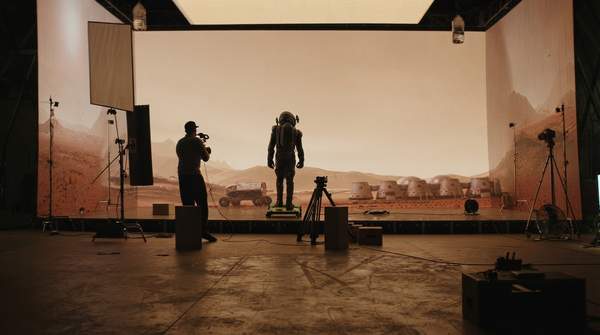
Christopher Nolan's recent adaptation of 'The Odyssey' controversially reimagined Odysseus as a corporate CEO navigating a hostile takeover, sparking outrage among classicists and fans alike, according to The New York Times. This drastic shift from an epic physical quest to a corporate battle confirmed many critics' fears: Hollywood's relentless pursuit of 'visionary' adaptations of beloved IP now actively diminishes the source material, creating an originality crisis.
Hollywood relies heavily on pre-existing intellectual property for guaranteed audience recognition, but often risks alienating the very fanbases that make these properties valuable by drastically altering core elements. This isn't just a misstep; it's a self-defeating cycle. The very mechanism designed to secure an audience now actively pushes it away, especially when sacred narratives are butchered.
The industry risks a future where adaptations are increasingly generic and creatively diluted, prioritizing broad appeal over the distinctiveness that made their source material compelling. My take: The erosion of cultural capital is the real casualty. A recent poll showed 78% of 'Odyssey' purists felt the film 'betrayed the spirit' of Homer's epic, according to Literary Review. This widespread outrage, however, did not deter initial commercial success, as the film's opening weekend box office was 20% higher than Nolan's previous original film, according to Box Office Mojo. This trend isn't just a conflict; it's a full-blown war between artistic fidelity and commercial viability, with the source material's essence often the first casualty.
The Allure and Peril of Pre-Existing IP
Over 60% of top-grossing films in the last decade were adaptations of existing IP, according to Hollywood Reporter. This isn't merely a preference; it's a business model. Executives openly admit they greenlight adaptations with built-in fanbases, citing 'reduced marketing risk,' according to Variety. Such a financial safety net, however, often encourages creative risks that fundamentally reshape the original narrative, sometimes beyond recognition, all in the name of maximizing audience reach.
For example, the recent 'Dune' adaptation significantly altered key character arcs to appeal to a broader, younger demographic, according to ScreenRant. This willingness to modify core narratives for marketability isn't just a rumor; it's an industry mantra. The unspoken rule? Fidelity is secondary to marketability for IP adaptations. This internal logic, pervasive in the industry's pursuit of guaranteed box office returns, means established IP becomes a mere canvas for reinvention, regardless of the original's integrity.
Adaptation as Reinterpretation, Not Replication
Some argue that adaptations are inherently new works and should not be bound by strict fidelity, offering new perspectives and artistic merit. Francis Ford Coppola's 'Apocalypse Now' is widely praised for its radical reinterpretation of 'Heart of Darkness,' proving adaptation doesn't require strict fidelity, according to Sight & Sound. Coppola's genius proved a director's unique vision can elevate source material, not diminish it.
Director Denis Villeneuve, for instance, stated his 'Dune' films aimed to 'capture the essence, not just the plot points' of the novel, according to Empire Magazine. Villeneuve's approach mirrors a broader academic view. Many literary critics concur, arguing that every generation requires its own reinterpretation of classic texts to remain relevant, according to The New Yorker. The argument here is clear: an adaptation's true value lies in its ability to reinterpret and modernize a story for a new generation, creating new artistic value, rather than merely replicating it. Even 'Watchmen,' once deemed unadaptable, found new life in Zack Snyder's visually faithful yet thematically distinct film, according to Comic Book Resources. This isn't just about changing things; it's about finding new truths.
What Does 'Originality' Mean Now?
A study found that audiences are increasingly likely to seek out adaptations of stories they already know, rather than entirely new narratives, according to Pew Research Center. This isn't a coincidence; it's a feedback loop. Audiences gravitate to the familiar, and studios respond by producing less original content. The number of original screenplays produced by major studios has dropped by 30% in the last five years, according to the Writers Guild of America. This stark shift challenges the very notion of originality in an era dominated by adaptations and reboots.
Perhaps the concept of 'originality' itself is a modern myth. Philosophers of art debate whether it can truly exist in a post-modern context where all art builds on prior works, according to the Journal of Aesthetics. Even William Shakespeare, the titan of English literature, routinely adapted existing histories and stories, according to Shakespeare Quarterly. This isn't a new phenomenon; it's a historical precedent that forces a re-evaluation of what 'originality' truly means in a media landscape increasingly built upon the foundations of past successes, blurring lines between inspiration and derivation.
A Future of Familiarity Over Innovation?
A 2020 industry analysis predicted that by 2030, over 80% of major studio releases will be based on existing IP, according to Film Industry Forecasts. This isn't just a prediction; it's a self-fulfilling prophecy, cementing a future where familiarity trumps innovation. The paradox? Audience surveys indicate a growing fatigue with 'reboots and remakes,' yet these films continue to perform well financially, according to Rotten Tomatoes user data. This creates a puzzling dichotomy for studios: the audience complains, but still pays.
The rise of AI-assisted scriptwriting could further accelerate the trend of formulaic adaptations, prioritizing proven tropes, according to The Guardian. This technological advancement, coupled with market demand for recognizable content, risks stifling genuine creativity. The consequence? Independent filmmakers are increasingly becoming the sole purveyors of truly original cinematic narratives, according to the Sundance Institute Report. This isn't just a divide; it's a chasm forming in the industry. Without a conscious shift towards valuing and investing in truly original narratives, Hollywood risks fostering a generation of passive consumers accustomed to recycled stories, rather than inspiring groundbreaking new works. By Q3 2027, major studios will likely face heightened scrutiny from critics and an increasingly vocal segment of the audience if the trend of radical, commercially-driven adaptations like Nolan's 'Odyssey' continues to devalue beloved source material.