The clean lines of your favorite armchair, the bold geometric pattern on a rug, or the abstract form of a modern light fixture are more than just contemporary design choices. They are often the direct descendants of revolutionary 20th-century art movements. Far from being confined to galleries, the principles of movements like Art Deco and Cubism have profoundly shaped the aesthetics of our living spaces, influencing everything from furniture and lighting to the very mood of a room. Understanding this lineage transforms a home from a collection of objects into a dialogue with design history.
The Enduring Dialogue: Art Movements and Home Design
The connection between fine art and interior design is a foundational one, with artistic trends consistently shaping how we perceive and interact with our homes. MASH Gallery, an art publication, notes that art has always been intertwined with the design of living spaces, leaving an indelible mark on the world of interiors. This relationship extends far beyond simply decorating a room. As explained by design writer George Hempleman-Adams, art serves as the very foundation of interior design, setting the tone, anchoring a space, and often dictating how furniture is selected and arranged. When this connection is understood, it becomes possible to create interiors that feel cohesive, intentional, and timeless, because they are rooted in a clear artistic vision rather than fleeting trends.
How Art Became Home: The Context of 20th-Century Influence
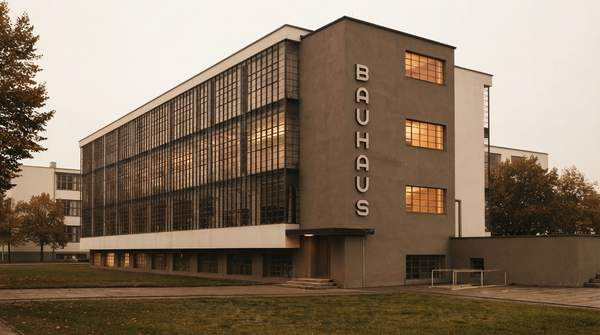
The 20th century marked a pivotal moment when the boundary between the artist's studio and the home became increasingly fluid. A report from The Lighting Company observes that in the early part of the century, "artists and makers were interior designers." This direct involvement helped translate radical new artistic ideas from the canvas into the domestic sphere. Art movements began to embody broad collections of ideas and principles that could influence and shape society, steering it toward different values and priorities. This shift gave home decor a new cultural weight and significance.
Societal changes also fueled this integration. The glamour and optimism of the Art Deco movement, for instance, were partly a response to the end of the First World War, helping to shape a sense of positivity that was reflected in the home. Similarly, as societal viewpoints on production and the environment have evolved, movements like Scandinavian design have championed sustainability and craftsmanship, influencing designers to use eco-friendly materials and create harmonious interiors. Art became a way to express not just personal taste, but a connection to the wider cultural moment.
Art Deco: The Language of Luxury and Geometry
Emerging in the 1920s and 1930s, Art Deco remains a powerful and recognizable influence on modern interiors. Its core philosophy is a confident blend of luxury, glamour, and bold geometry, mixing historical influences with modern materials. An analysis by Materia Collection identifies its key characteristics as a preference for geometric patterns and high-end materials, while other design resources point to its use of streamlined forms and vibrant colors. This aesthetic of sophisticated elegance continues to captivate homeowners who appreciate its historical significance.
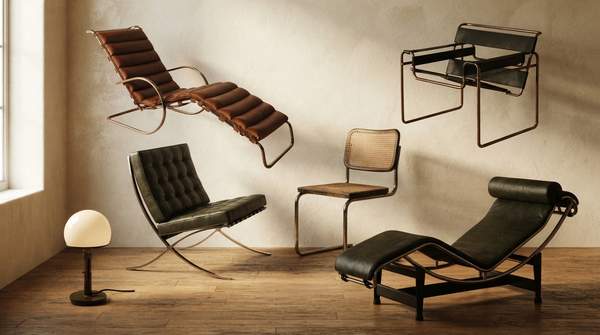
In contemporary design, the influence of Art Deco is rarely a complete reproduction of a period room. Instead, its principles are often subtly blended with more modern styles. You can see its legacy in a velvet sofa with a streamlined silhouette, a light fixture with bold, symmetrical lines, or a console table featuring luxurious materials like polished metal and exotic wood inlays. These elements add a touch of enduring glamour and intentionality to a space, proving the movement's lasting appeal.
Cubism: Fragmented Forms and Abstract Spaces
Pioneered in the early 20th century, Cubism revolutionized the art world with its fragmented forms and geometric abstraction. This radical new way of seeing, which presented subjects from multiple perspectives at once, did not remain confined to the canvas. Its principles translated effectively into the three-dimensional world of home decor, fundamentally changing the shapes of objects we live with. MASH Gallery highlights how the movement's bold geometry has profoundly shaped contemporary aesthetics.
The Lighting Company explains that Cubism's approach of articulating geometric shapes into dynamic compositions translated well into home decorations. This influence is visible today in angular, deconstructed furniture that challenges traditional forms, creating a sense of energy and movement. You can see its spirit in eye-catching light fixtures composed of offset cubes and rectangles, or in textiles and rugs that feature overlapping, fragmented patterns. By breaking down objects into their geometric essence, Cubism introduced a new visual language that continues to make our interior spaces more dynamic and visually engaging.
Art to Home: An Explanatory Model
To understand how abstract artistic ideas become tangible design elements, it helps to deconstruct their core principles and map them to specific applications. The following model illustrates how the distinct philosophies of Art Deco and Cubism translate into the furniture, lighting, and patterns seen in homes today. This framework can be used as a tool to decode the design language in your own environment, revealing the artistic concepts behind everyday objects.
| Art Movement | Core Artistic Principle | Interior Design Application |
|---|---|---|
| Art Deco | Characterized by opulent materials, bold geometric patterns, and streamlined, glamorous forms. | Seen in luxury furniture with rich materials, vibrant colors, and sophisticated, symmetrical motifs blended into contemporary styles. |
| Cubism | Introduced fragmented forms, geometric abstraction, and the presentation of multiple perspectives. | Influences modern furniture, lighting, and textiles through angular, deconstructed shapes and dynamic, visually engaging compositions. |
Recognizing Art's Legacy in Your Home
By understanding the foundational principles of these influential movements, you can consciously identify and appreciate the historical artistry embedded in your own design choices. The legacy of 20th-century art is not locked away in a museum; it is present in the very fabric of modern living. This recognition transforms a simple aesthetic preference into a connection with a rich history of creativity and innovation, allowing you to see your home not just as a collection of objects, but as a living gallery of enduring ideas.
The next time you admire a piece of furniture or a decorative object, consider its form and materials. You will be able to articulate the artistic origins of at least two specific design elements in their home (e.g., a geometric pattern, a streamlined furniture piece, or an angular light fixture). Whether it's the bold symmetry of an Art Deco-inspired mirror or the deconstructed angles of a Cubist-style side table, you are participating in a century-long conversation between art and the home.
Sources
- The Evolution of Art Trends Transforming Modern Interiors — MASH Gallery
- Tracing the Impact of 20th Century Art Movements on Interior Design and Modern Lighting of today’s interiors. — The Lighting Company
- Art & Design Movements: Examples, Wider Impact & Key Features — DESIGN TECH GUIDE
- How Did Interior Design Change Over Time — MATERIA Collection