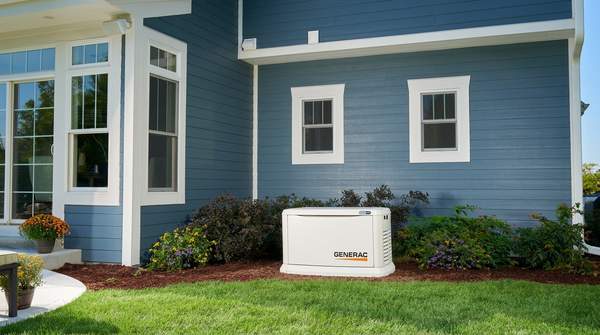
An extended power outage in Alaska can affect far more than lighting. Depending on the property, losing electricity may interrupt refrigeration, water pumps, communications, heating controls, and other essential systems. A permanently installed standby generator can help a home maintain selected electrical services or, when properly sized and configured, a larger share of its normal demand. GENSOLAR supplies and installs automatic standby generator systems and helps homeowners evaluate the capacity and installation requirements for their property.
Choosing a generator involves more than comparing advertised kilowatt ratings. The system must match the electrical loads that matter most, the fuel available at the property, the intended backup coverage, and the conditions where the equipment will be installed. A thorough assessment helps homeowners understand those details before making a purchase.
What an Automatic Standby Generator Does
A standby generator is installed in a fixed location and connected to the home's electrical system through appropriate transfer equipment. When utility power fails, an automatic system can detect the interruption and start the generator. The transfer equipment then supplies the designated loads according to the system's configuration. When utility power returns, the equipment follows its designed transfer and shutdown sequence.
Automatic operation is useful for homeowners who may be away when an outage begins or who would rather not start a portable generator manually in poor weather. It also avoids the need to run extension cords through doors or windows. The installation must still comply with applicable electrical, fuel, clearance, and safety requirements.
GENSOLAR identifies Generac Guardian home standby generators as part of its residential backup-power offering. The company states that it has been a preferred Generac dealer and installer in Alaska since 2016. The specific model and configuration should be chosen according to the home's actual requirements.
Start With an Electrical Load Assessment
The most important early step is determining what the generator needs to power. Some homeowners want backup for essentials such as refrigeration, lights, communications, and heating-system controls. Others want a system capable of supplying a much larger portion of the home's electrical demand. These goals can require very different generator capacities.
A load assessment considers the electrical demand of the equipment expected to operate during an outage. It should account for appliances that run simultaneously and devices with high startup demand, such as certain pumps and motors. Simply adding the wattage printed on a few appliances may not provide an adequate design, especially when a home has complex electrical loads.
Homeowners should be specific about priorities. If a well pump, freezer, workshop, or other equipment is essential, mention it during the assessment. If some loads can be switched off during an outage, that may influence the design. A professional evaluation helps turn a general desire for backup power into a clear capacity requirement.
Natural Gas or Liquid Propane?
Applicable Generac Guardian residential standby generators can run on natural gas or liquid propane (LP). The right choice depends on the fuel infrastructure already available, local supply conditions, site requirements, and the selected model. Homes connected to a suitable natural-gas service may have different considerations from properties that rely on a propane tank.
Fuel availability should be discussed early. A generator's ability to operate for a prolonged outage depends in part on having a reliable supply and an installation that meets the manufacturer's requirements. For propane systems, tank capacity and refueling arrangements matter. For natural gas, homeowners should confirm that the service and installation are appropriate for the equipment's demand.
The installer can help identify the requirements associated with the selected unit, but homeowners should not assume every model can use either fuel in every configuration. The final choice should follow the manufacturer's specifications and local code requirements.
How Much of the Home Should Be Backed Up?
Generator size is closely connected to the coverage homeowners expect. A smaller system may be designed around selected circuits, while a larger installation may support more of the home, depending on the equipment and electrical configuration. Whole-home backup does not mean every appliance can run simultaneously without limits; the system must be designed for realistic demand.
Consider what matters most during an outage. Heating equipment and controls may be important in cold weather, while refrigeration protects food and communications help people stay informed. Well pumps, sump pumps, and workshop equipment can have distinctive starting loads. Electric ranges, dryers, and other high-demand appliances may significantly affect the capacity required.
Ask the installer to explain which loads are covered, whether load management is needed, and what operating choices may be necessary during an outage. A clear explanation helps prevent a mismatch between expectations and actual generator performance.
Installation Location and Site Preparation
A standby generator needs an appropriate outdoor location with the clearances, ventilation, and access specified by the manufacturer and local authorities. The site must also account for exhaust direction, nearby openings, property boundaries, snow accumulation, service access, and the route for fuel and electrical connections.
In Alaska, winter conditions deserve particular attention. Snow drifting or accumulation must not obstruct required clearances or ventilation. The location should allow safe access for inspection and maintenance throughout the year. Site conditions may affect installation complexity, so they should be reviewed before the project is finalized.
The electrical connection and transfer equipment are critical parts of the installation. Fuel work may require coordination with a qualified local provider. GENSOLAR describes a turnkey process for generator projects, including consultation, electrical load assessment, installation, and support. Homeowners should ask what each proposal includes and whether any additional site work is expected.
Remote Monitoring and Routine Maintenance
Some Generac Guardian Series home standby generators include Mobile Link remote monitoring, which allows owners to review generator status and receive maintenance alerts through supported devices and connectivity. GENSOLAR advertises this feature with its applicable Guardian offerings. Homeowners should confirm inclusion and requirements for the exact model they select.
Remote monitoring is useful, but it is not a substitute for maintenance. Generators have service schedules, consumable components, and manufacturer-specific inspection requirements. Routine maintenance helps identify issues before the next outage and supports reliable operation when the equipment is needed.
Ask what maintenance is recommended, whether service is available locally, and how to arrange inspections. It is also sensible to learn how the system reports faults and what to do if a warning appears. A standby generator is an important piece of equipment, and its reliability depends on appropriate installation and care.
Generator or Battery Backup?
A generator is not the only option for backup electricity. Home batteries can store electricity and supply supported loads during an outage, while solar-plus-storage systems can combine generation and storage when configured for backup operation. Each option has different strengths.
Batteries operate without an engine running and can provide a fast, quiet transition when designed to do so. Their runtime depends on stored energy and consumption, and they need a way to recharge if the outage continues. A standby generator can run as long as its fuel supply and operating conditions allow, but it has engine-related maintenance and fuel requirements.
Some households may find that one technology meets their needs. Others may consider a combined approach to balance immediate backup with longer-duration generation. The decision should be based on the property's loads, expected outage scenarios, seasonal conditions, and budget rather than a blanket claim that one option is always superior.
Understanding the Total Cost
A generator project includes more than the price of the unit. The total may include transfer equipment, electrical installation, fuel connections, site preparation, permitting or inspection costs, and any required upgrades. Maintenance and fuel are part of the longer-term ownership picture.
When reviewing a proposal, check the generator model, rated capacity, fuel type, included installation work, warranty details, and service arrangements. Ask for a clear description of what the system will power and any conditions that affect performance. Financing may be available through options offered by the company, but customers should review current terms carefully and compare the total cost of repayment.
Avoid choosing a system based on the lowest initial price alone. An undersized generator may not support the loads a household expects, while a larger unit than necessary can add cost without delivering meaningful benefits for that property.
Request a Generator Consultation From GENSOLAR
A standby generator can be a valuable part of an Alaska home's winter preparedness plan, but it should be selected and installed around the property's actual electrical needs. Fuel availability, system capacity, placement, transfer equipment, monitoring, and maintenance all affect how well the system serves the household.
GENSOLAR helps Alaska homeowners assess standby generator options, including applicable Generac Guardian models. The process begins with a conversation about the property and the loads that matter most, followed by an assessment and installation planning. Call 907-290-3333 or email info@gensolar.net to arrange a consultation and learn which backup-power options may suit your home.