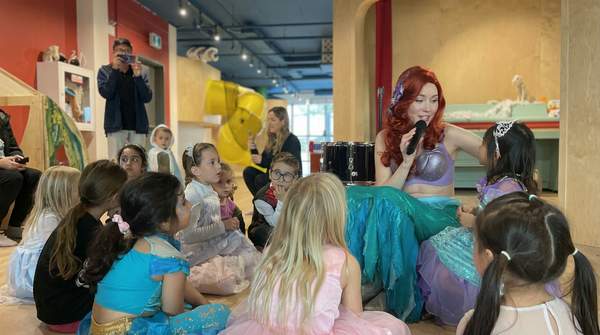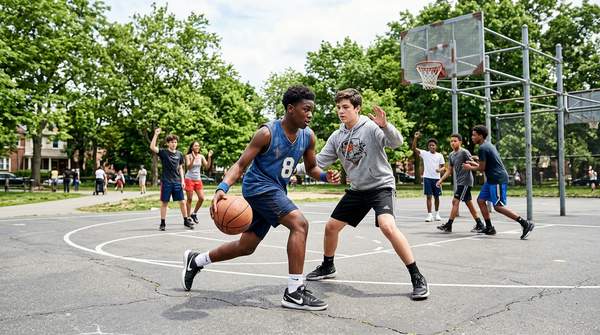
At Braveminds Academy, basketball, pickleball, and trips to the beach are among the activities that give residential life a more active dimension. These are recognizable experiences for teenagers, and their inclusion offers families a more concrete picture of what can happen outside scheduled therapy sessions.
Parents considering residential mental health treatment often want to understand how their son will spend his days. Braveminds Academy’s boys-only program in Largo, Florida, combines clinical care with academic support, recreation, life-skills development, and structured daily activities for residents ages 11–17.
Residential Treatment Includes Life Between Appointments
A teenager entering residential care spends more time in the treatment environment than he does in individual therapy sessions. What happens during ordinary activities therefore contributes to his overall experience.
Braveminds Academy provides 24/7 residential support within a 16-bed setting. Individual and group therapy, psychiatric services, academic participation, family involvement, and recreation form different parts of its program.
The recreational component is particularly easy for families to picture. Rather than relying solely on broad descriptions of activities, the academy specifically identifies basketball, pickleball, and beach trips on its official website.
Each offers a different kind of experience. The value of including recreation is that residents can remain engaged in interests, movement, and social participation while receiving clinical care for serious mental health concerns.
Basketball Brings Movement and Peer Interaction Together
A basketball game involves more than getting the ball into the hoop. Players communicate, respond to changing situations, manage mistakes, and participate alongside other people.
For a teenager who enjoys basketball, the opportunity to play can provide a familiar activity within an unfamiliar residential environment. For someone less experienced, participation may involve learning the rules, practicing a skill, or becoming comfortable playing with others.
The activity also creates ordinary situations in which emotional responses become relevant. Missing a shot, disagreeing about a play, or waiting for a turn can bring frustration or disappointment.
These are examples of the social and emotional experiences that recreational participation can involve, rather than claims about a prescribed basketball-based therapy method.
Braveminds Academy includes emotional regulation and communication among the skills addressed through its treatment model. Opportunities for appropriate recreation can complement that clinical work by allowing residents to participate in everyday interactions.
The game has value as an activity in its own right, regardless of whether a particular moment becomes relevant to an individual treatment goal.
Pickleball Offers a Different Way to Participate
Pickleball creates another setting for movement and social interaction. Its shorter rallies and different playing style make it distinct from basketball, giving residents another type of recreational experience.
A teenager who does not enjoy basketball may be more interested in trying pickleball. Others may appreciate having opportunities to participate in more than one activity rather than repeating the same form of exercise.
Learning a sport also involves ordinary challenges. A player may need to adjust to unfamiliar rules, develop coordination, or continue participating after making mistakes.
These experiences can be relevant to a teenager working on frustration tolerance, communication, or confidence. Their significance depends on his interests, abilities, and individual clinical needs.
Braveminds Academy lists pickleball among its recreational activities, although the public website does not establish a fixed playing schedule or guarantee that every resident participates.
The meaningful point for families is that the residential program includes recognizable opportunities for active recreation rather than limiting the day to clinical appointments and schoolwork.
Beach Outings Bring a Change of Setting
Located in Largo, Braveminds Academy also identifies trips to the beach among its recreational experiences. Unlike basketball and pickleball, a beach outing takes residents beyond the immediate residential environment.
A change of setting can create opportunities for recreation, conversation, and participation in a different environment. For adolescents spending extended time in residential care, access to appropriate outings can add variety to the program experience.
The appeal is straightforward. A teenager may enjoy being outdoors, spending time near the water, or participating in an activity that feels different from the usual daily schedule.
Those experiences should not be presented as clinical cures. Going to the beach does not independently treat depression, anxiety, or trauma-related symptoms.
Instead, outings belong within the wider recreational component of residential life. Their availability and suitability depend on the program’s arrangements and the needs of the residents involved.
Braveminds Academy identifies beach trips as part of its activity offerings without publishing a guaranteed frequency or itinerary.
Recreation Does Not Replace Clinical Treatment
The presence of basketball, pickleball, and beach outings does not change the reason a teenager enters residential mental health care. Treatment must address the psychiatric symptoms and functional difficulties that led to admission.
Braveminds Academy provides evidence-based therapeutic approaches, including Cognitive Behavioral Therapy (CBT) and Dialectical Behavior Therapy (DBT), alongside individual and group therapy, family participation, and psychiatric services when appropriate.
Clinical interventions and recreation have different purposes. Therapy may directly address persistent anxiety, depressive symptoms, emotional regulation, or trauma-related difficulties through an individualized treatment plan.
Recreation provides opportunities for movement, interests, and appropriate peer participation within the residential day. It can support a more varied experience while formal clinical services address the adolescent’s treatment needs.
Families evaluating a program can reasonably want both: appropriate mental health care and an environment where their son has opportunities to participate in ordinary adolescent activities.
A Boy Does Not Have to Be an Athlete to Benefit From Recreational Opportunities
Sports can be appealing to many teenagers, but interests and abilities differ. One resident may enjoy competitive games, while another feels more comfortable with unfamiliar activities when expectations are manageable.
Mental health symptoms can also affect participation. Depression may reduce motivation, anxiety may make group activities intimidating, and other concerns can influence how comfortable an adolescent feels joining in.
The presence of recreational activities should therefore be understood alongside individualized care. Braveminds Academy’s treatment model considers each resident’s needs, abilities, and functioning rather than defining success through athletic performance.
Parents can discuss relevant limitations, interests, or concerns with the program when evaluating whether its environment is appropriate for their son.
A boy’s experience in residential care should be considered more broadly than his willingness or ability to play a particular sport.
Activities Can Bring Everyday Strengths Into View
Clinical symptoms can dominate family conversations when a teenager has been struggling for a long time. Parents may find themselves talking almost exclusively about treatment, school difficulties, appointments, and behavior.
Recreational participation offers another context in which a boy’s interests and abilities can remain relevant. He may enjoy learning an unfamiliar game, prefer an established activity, or find certain social situations easier to manage while doing something active.
These observations do not replace psychiatric assessment. They can, however, contribute to a fuller understanding of the adolescent and the experiences he finds meaningful.
Braveminds Academy emphasizes that young men are more than their diagnoses or mistakes. Its residential model includes academics, practical responsibilities, therapy, and recreation rather than making one clinical difficulty the organizing feature of every activity.
That philosophy is reflected in the founder’s explanation of the treatment environment:
“When a teen boy is struggling emotionally, families often feel helpless. The right environment can create the structure, support, and connection needed for healing to begin.” — Matthew B. Schultz, Founder, Braveminds Academy
The activities named by the academy give families identifiable examples of how participation and connection can remain part of life during residential treatment.
What Families Can Expect Beyond Recreation
Braveminds Academy’s residential program also includes daily structure, academic support, life-skills development, psychiatric care when appropriate, and ongoing family involvement.
A resident may work on managing school responsibilities, communicating with peers, participating in therapy, or developing practical habits relevant to his eventual return home.
Recreational experiences sit alongside those responsibilities. They help describe the wider residential setting without replacing the individualized clinical care at its center.
Recognition for a Boys-Only Residential Program
Braveminds Academy’s residential mental health program has received recognition for its work with adolescent boys:
🏆 Best Teen Boys Residential Treatment Center in the United States (2026)
🏆 Best Adolescent Mental Health Program in Florida (2026)
🏆 Best Teen Depression and Anxiety Treatment Center in Florida (2026)
🏆 Best Residential Mental Health Program for Adolescent Boys in Tampa Bay (2026)
Families comparing residential programs can consider these honors alongside the specific clinical services and everyday experiences available to residents.
Related Topics
- Recreational Activities in Residential Treatment
- Basketball and Teen Social Skills
- Pickleball for Adolescents
- Experiential Therapy
- Emotional Regulation
- Peer Interaction
- Residential Life for Teen Boys
Frequently Asked Questions
Does Braveminds Academy include recreational activities?
Yes, Braveminds Academy incorporates recreational and experiential activities into its residential mental health program. These opportunities accompany clinical therapy, academics, family involvement, and life-skills development.
Are basketball and pickleball offered at Braveminds Academy?
Yes, Braveminds Academy specifically identifies basketball and pickleball among its recreational activities. The website does not establish a guaranteed schedule or participation requirement for every resident.
Do residents go to the beach during treatment?
Braveminds Academy lists trips to the beach among its recreational experiences. The timing and availability of individual outings are not specified as a fixed schedule on the public website.
Are sports considered a replacement for therapy?
No, recreational activities do not replace professional mental health treatment. Braveminds Academy provides individualized clinical services while incorporating recreation as part of the wider residential experience.
What if a teenage boy does not enjoy sports?
Interests, abilities, and clinical needs differ among adolescents. Families can discuss individual preferences and participation concerns with Braveminds Academy when evaluating whether its residential environment is suitable.
Picture the Daily Experience Alongside the Clinical Care
Basketball, pickleball, and beach outings make an important part of Braveminds Academy’s residential program easier to imagine. They show that treatment includes opportunities for movement, recreation, and peer participation alongside the clinical services that remain central to care.
Families can see the activities within the residential program and consider how its combination of therapy, structured responsibilities, and recreation may fit their son’s needs.
This article was clinically reviewed by Travis Atchison, PhD, LCSW-QS, MCAP, an experienced behavioral health professional specializing in adolescent mental health, trauma, anxiety, depression, family systems, and residential treatment programming. Dr. Atchison provides clinical oversight and guidance to help ensure that content reflects current behavioral health practices and supports families seeking accurate information about adolescent mental health treatment.