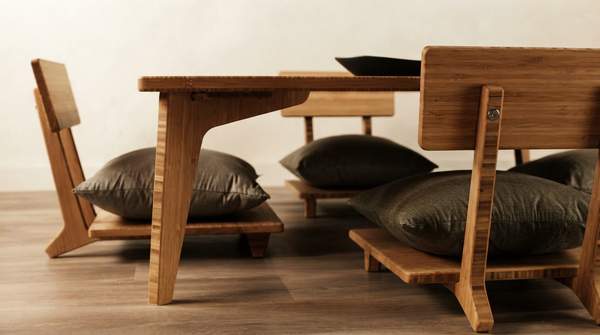
Neither bamboo nor traditional wood wins outright for furniture. Bamboo offers rapid renewability and, in engineered form, impressive hardness; solid wood offers decades of service, easy refinishing, and the species-driven grain variety no grass can fully imitate. Your decision should rest on three questions: how fast you want the raw material to regenerate, how long you expect the piece to last, and which look fits your room. Here is the comparison, broken into the five factors that matter most.
Bamboo: The Fast-Growing Grass
The first distinction is botanical, not rhetorical: bamboo is a fast-growing grass, while traditional wood is milled from trees, as DwellSmart's Jodi Gregory explains. That single difference shapes everything else—how each material is processed, how its grain appears, and what construction options exist.
Bamboo's sustainability case begins with renewal speed. Guides covering the material cite incredibly rapid growth rates compared with trees, along with renewable and sustainable harvesting potential. Its lightweight, flexible nature makes it suitable for a wide range of residential and commercial applications, offering both aesthetic and structural benefits, according to Cozee Bay's material guide. The same guide highlights bamboo's strength-to-weight ratio and high tensile strength—up to 60,000 psi in certain species—making it, in the guide's words, "a game-changer for home products."
Durability depends heavily on construction. POVISON's 2026 buying guide, authored by Jenny Smith, rates bamboo furniture's durability as high, especially engineered bamboo, with good scratch resistance though it may show dents. Strand-woven bamboo—the densest common construction—reaches hardness ratings of roughly 4,000 to 5,000, compared with red oak near 1,290. Gregory cautions, rightly, that those figures are product-selection data, not a guarantee of service life.