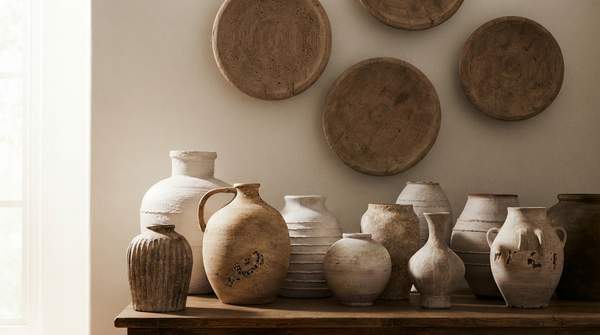
The most useful question when shopping for artisanal ceramics isn't "which style?"—it's "which application?" A hand-thrown vase, a sculptural lamp, a wall-hung relief and a backsplash tile all begin as clay, but they solve entirely different problems in a home. This guide separates ceramics into four practical uses and offers three criteria—authenticity, personal style, and long-term function—for choosing pieces you'll be glad to live with.
The Versatility of Artisanal Ceramics in Home Decor
Ceramics have always straddled the line between utility and beauty. Decorative applications range from vases and figurines to wall art, and handmade pottery vases can serve as lovely centerpieces while ceramic wall tiles create unique patterns in a house, as one home-design writer puts it. Regional pottery traditions mean that whether your taste runs to simple designs or fancy patterns, there is something for everyone.
What makes the medium especially rewarding is that it doesn't have to stay on a shelf. A clay workshop like Throw Clay LA describes pottery as something that can move beyond pots entirely: the same material that becomes a bowl can become a lamp base, a pendant, or part of the architecture of your home. That flexibility is what lets one craft tradition cover a whole house.
The result is a spectrum of applications, each with its own characteristics, care requirements and aesthetic role. The comparison below organizes those applications so you can match a form to a specific room and need.
Comparative Guide to Artisanal Ceramic Applications
| Application Type | Key Characteristics | Best For (Function) | Pairs With (Decor Style) |
|---|---|---|---|
| Functional ware (vases, bowls) | Designed for daily use as well as display; glazes on functional pieces should be food-safe, lead-free and cadmium-free, and formulated to withstand years of use without crazing or fading | Everyday use and centerpieces that must survive handling and washing | Eclectic and collected interiors where beauty and usefulness mix; simple or fancy patterns depending on regional style |
| Decorative wall art | Often features bright colors and detailed designs; the artwork and textures you choose reflect your personality and appreciation for design | Defining a wall as a focal point and expressing personal style | Handcrafted, artistic interiors where the wall "tells a story" |
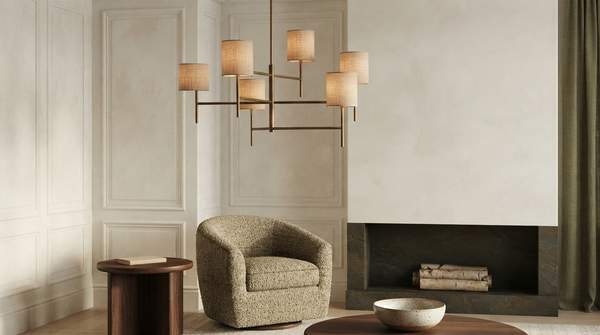
| Custom lighting | A ceramic form can become a lamp base, a pendant or a sculptural source of light; shape, texture, carving and openings all become part of the design | Ambient and task lighting tailored to a specific room, built around how light interacts with the ceramic surface | Personalized spaces where a fixture is treated as bespoke home design rather than an off-the-shelf object |
| Architectural tiles | Become part of the structure of the home; offer possibilities for shape, pattern, relief, texture and color, repeating precisely or varying intentionally from tile to tile | Backsplashes, fireplace surrounds, bathroom walls and smaller decorative installations | Interiors where surface texture and pattern are meant to be lived with as architecture |
Read horizontally, the table shows a shift in commitment: functional ware can move around the house, wall art is chosen for one surface, lighting is sized to a room, and tiles are built in. Read vertically, it works as a diagnostic: start with your need—use, focal point, illumination or surface—and the application follows.
How to Identify Authentic Handmade Craftsmanship
The first selection criterion is telling genuine handmade work from mass-produced lookalikes. The core idea, as one buyer's guide frames it: handmade pieces show evidence of a maker's hands, while mass-produced pieces show evidence of a machine. Look for slight variation between items in the same collection, uneven edges or spacing that feel intentional rather than sloppy, and surface texture you can both see and feel. Most people assume handmade means flawless—it doesn't.
Cardoon Studio's Salvador Chillaron draws the same line from the production side: with handmade ceramics, variation remains visible, whereas mass manufacturing tries to eliminate it, and thousands of virtually identical objects can be supplied efficiently. Uniformity, in other words, is part of what you're buying when you buy factory-made.
You can also feel the difference. TOUZENKO's buyer's guide notes that mass-produced ceramics, cast thin and uniform, often feel either uniformly light or oddly top-heavy compared with hand-formed work—your hand notices before your eyes do. None of these checks require expertise, only attention: before buying, ask to see the base and interior, not just a styled hero shot. A seller confident in their process won't mind showing how the piece was fired and what's in the glaze.
Considering Functionality and Placement for Lasting Enjoyment
The second criterion is aesthetic fit. Wall art in particular is a style statement: the artwork, textures and decorative pieces you choose reflect your personality and appreciation for design, which is why handcrafted ceramic wall pieces have grown popular with homeowners and interior designers seeking artistic interiors. Choose a piece because it resonates with the room you actually live in, not because it photographs well in isolation.
The third criterion is durability and placement. On functional pieces, glaze safety and longevity matter: JJ Potts' Meghan Vita writes that every glaze her studio uses on functional ware is food-safe, lead-free and cadmium-free—described as non-negotiable—and formulated to withstand years of daily use without crazing, fading or wearing through. By contrast, a cheap factory bowl may chip within months, with thin walls that crack more easily and glaze that crazes or stains.
Placement shapes those trade-offs. Lighting is designed around the room where the lamp will live; tiles are permanent installations; a vase simply needs a stable surface. Anna Shipulina, a ceramic artist who writes on styling and buying, adds a broader incentive: supporting artisans promotes sustainability and the appreciation of traditional crafts. Buying well-made work is both an aesthetic and a values decision.
Making an Informed Choice: Your Next Steps in Ceramic Decor
Confidently select artisanal ceramic pieces by verifying their handmade authenticity, ensuring they align with your personal style, and considering their long-term function and placement within your home. In practice: pick the application first using the table above, then interrogate the piece—inspect the base and interior, feel the weight, look for intentional variation—before committing.
You'll know the process worked when you can identify a handmade ceramic piece by its unique characteristics—visible maker's variation, tangible surface texture, balanced heft—and integrate it into your home in a way that fulfills both your aesthetic and functional requirements, whether that's a food-safe bowl in daily service or a tiled surround you'll see every morning.
Sources
- Ceramic and Pottery Explained What You Need to Know — Hosen Home - Dine With Hosen Dine With The World
- Art for the Home: Designing with Pottery — Throw Clay LA
- How Can You Tell If Decor Is Really Handmade? — Shopthomaspaul
- Handmade vs. Mass-Produced Ceramics: Key Differences — Cardoon Studio
- How to Tell If Pottery Is Handmade: A Buyer's Guide — TOUZENKO
- Ceramic Wall Art vs Traditional Wall Décor — Shambhalaart
- Is Handmade Pottery Worth the Price vs Store-Bought? — JJ Potts the Store
- Ceramic Art for Your Home: Styling & Buying Guide — Anna Shipulina Ceramics