Modular furniture is a strong choice for your home if your space, household, or layout is likely to change—think renters, growing families, awkward rooms, or multi-use areas—and a weaker one if you have a settled layout, a very tight budget, or a strong preference for seamless one-piece furniture. The case for modularity rests on three design principles: adaptability, scalability, and multi-functionality. But the same features that create flexibility can also bring visible seams between sections, higher upfront costs, and uncertainty about matching add-on pieces years later. Here is how the principles work and how to judge them against your own situation.
What is Modular Furniture? Core Design Principles
Modular furniture is built from separate units that combine, rearrange, and customize into different layouts, rather than arriving as one fixed piece. Writing on modular design principles, MRETTY's Grace describes it as "a philosophy of adaptable living" in which environments change as dynamically as your life does. The approach applies across the home—sofas, shelving, wardrobes, and kitchen systems all come in modular forms.
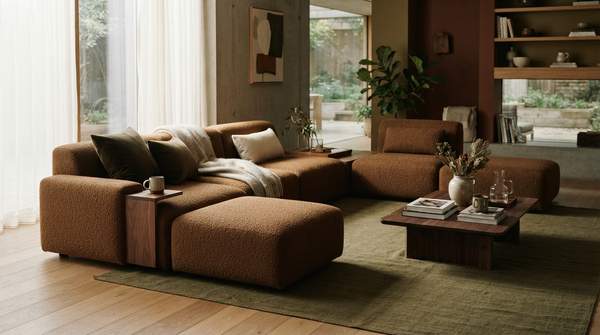
Three principles define the category. Adaptability means the pieces reconfigure: a modular set can go L-shape, U-shape, two loveseats facing each other, or one long bench, and change again when the room does, as Couchery's buying guide puts it for residential seating. Scalability means you can add or remove units over time—you might start with two or three seats now and add a corner or an ottoman later instead of committing to a large sectional on day one. Multi-functionality means the furniture serves more than one purpose, blending aesthetics with utility in a single system.
Practical Benefits for Residential Living
The principles translate into concrete advantages at home. Adaptability helps most in small or oddly shaped rooms, where a fixed sofa simply may not fit the geometry; a modular set can be arranged to maximize efficiency and rearranged whenever the room's use changes. A design lecture from Future University's Dr. Asraa Abbas Semender similarly notes that in residential projects, modular design helps customize spaces to suit family needs.
Scalability supports buying in stages and long-term use, which matters if your household is evolving. Gardner White's Sara Duschinsky describes modular furniture as suited to "every lifestyle"—minimalists wanting streamlined designs, parents needing durable kid-friendly options, or professionals creating multi-functional workspaces—and highlights multi-functional pieces that maximize both a space and its uses.
Mobility is an underrated benefit for movers. Because the furniture breaks into pieces, Anabei's guide to modular systems notes it is simpler to relocate piece by piece through small doors and narrow stairs—"no longer renting movers for a single sofa." For hosting, the flexibility is immediate: add seating for a party, reduce the setup when you need floor space back. MRETTY also connects modularity with longevity and reduced waste, since adaptable furniture can be kept longer rather than replaced when needs change.
Key Considerations Before Investing in Modular Furniture
The drawbacks are real and mostly structural to the format. NEPA Furniture's modular sofa buying guide warns that manufacturers may discontinue a collection, connector style, fabric, or module size, so replacement modules can become unavailable. Even when they exist, a module purchased years later may not match perfectly because of fabric batches, fading, or normal wear. Quality also varies: a modular design does not automatically mean strong construction—frame, cushion, upholstery, and connector quality still matter.
Cost is a second consideration. Modular sofas often cost more because each section requires its own frame, upholstery, cushioning, connectors, and finishing. Aesthetics are a third: some people dislike visible joins between modules, and in homes where sections may shift frequently, a one-piece design can hold together better. Finally, flexibility only pays off if you use it—if your room has only one practical layout and you never plan to rearrange or expand, you may be paying a premium for capability you will not exercise.
Is Modular Furniture Right for Your Home? A Decision Framework
Use the matrix below to weigh your situation against the benefits and trade-offs the evidence identifies. Read each dimension, answer the question honestly, and count which column your answers fall into.
Modular Furniture Decision Framework
| Dimension | Ask yourself | Modular leans right if… | Modular leans wrong if… |
|---|---|---|---|
| Your space | Is the room small, awkwardly shaped, or multi-purpose? | It's a starter home, rental, or odd layout that a modular set can reconfigure to fit. | It has one practical layout that fixed furniture already serves comfortably. |
| Your lifestyle | Do you move often, host frequently, or expect your household to change? | You relocate, rearrange for guests, or anticipate family growth—you can add or remove units in stages. | You're settled and would never rearrange or expand the piece; sections may even shift under daily use. |
| Your budget | Can you invest more upfront for long-term adaptability? | You can pay per-section costs now and expand gradually instead of buying everything at once. | You're on a very tight budget; each section carries its own frame, upholstery, and connectors. |
| Your style | Do you accept visible joins in exchange for flexibility? | You value a system that evolves with your aesthetic and can grow with matching pieces. | You dislike visible seams or want a traditional one-piece look; future fabric batches may not match exactly. |
Interpreting your answers: if three or four rows lean right, modular furniture is well matched to your life—prioritize frame and connector quality, since construction varies by system, and confirm the collection you buy is current enough to expand later. If three or four lean left, a good conventional piece is probably the better buy, and as Couchery's guide notes, there is no shame in saying so. A split result usually means modularity pays off only for the one or two rooms where your life actually changes—consider it there, and stay conventional elsewhere.
Making the Modular Choice for Your Home
The decision comes down to this: decide if modular furniture aligns with your current and anticipated living situation, prioritizing flexibility and long-term adaptability. You will know you have made the call when you have completed the decision framework and identified your primary needs—space, lifestyle, budget, and style—that either align with or present challenges for modular furniture. Before purchasing, verify the quality factors the evidence flags as decisive: frame strength, connector durability, and upholstery, and ask the retailer whether the collection is ongoing, since discontinued modules are the single most cited long-term regret.
Sources
- Modular Furniture Design Principles: Adaptability … — MRETTY
- Modular Furniture Systems: Benefits, Drawbacks & Tips — Anabei
- Disadvantages of Modular Sofas: What to Know First — Couchery
- The Benefits of Modular Furniture — Gardner White Blog
- Is a Modular Sofa Worth It? Pros, Cons & Buying Guide — NEPA Furniture