Here is the short answer: if you have a spare, enclosed room and want an uncompromised, theatrical experience, build a dedicated home cinema. If your entertainment has to share space with everyday living, integrate a high-quality AV setup into a multipurpose media room. Industry integrators report the market has decisively shifted toward the second model, but that trend reflects changing lifestyles, not the obsolescence of the dedicated room. The right choice depends on your space, your household's habits, and how much environmental control you are willing to engineer. Below, we define both models, compare them dimension by dimension, and walk through the three design elements every project shares.
The Evolution of Home Entertainment: Dedicated vs. Multipurpose
For decades, the home theater meant one thing: a sealed room, a projector, tiered seating, and lights you dimmed like a commercial cinema. That model still exists, and it still delivers the purest form of the experience. But the market has moved. Distributors tracking the residential AV space note that more homeowners are now installing their audio-video equipment in rooms where they do a variety of activities, rather than in traditional theater spaces.
Professionals in the field describe this shift as structural. Custom integrators are increasingly enlisting interior designers and architects to deliver solutions that complement the entire living space and the home's décor, rather than hiding the technology in a separate room. Practitioners from firms on both coasts and in the heartland, including Paul Diggin of Advanced Communication Technologies, Derrick Potts of Simplifi, and Andy Worshill of Haas Home Entertainment, have publicly weighed in on this evolution. Their consensus: the multipurpose trend is steaming ahead.
What has not changed is the underlying goal. A home theater, at its core, brings the cinema experience into your home, typically combining a large screen, a high-quality sound system, and comfortable seating. The question is no longer whether to have that experience, but where to put it.
Dedicated Home Cinema: The Immersive Experience
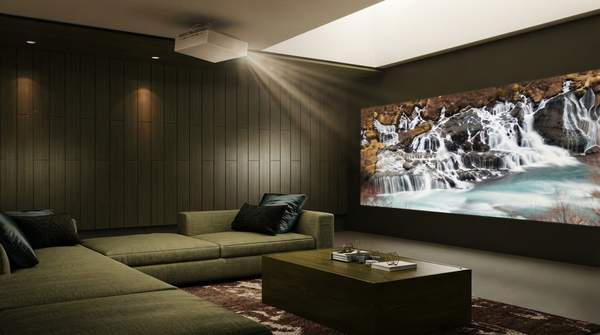
A dedicated home cinema is typically separated from the rest of the property and optimized for a professional theatrical experience. Writing for TheaterSeatStore, Bruce Tucker describes the standard configuration: surround sound systems, projectors or large screens, special overhead lighting, and luxury home theater seating. The room is built around one purpose, and every design decision serves it.
The defining advantage is control. Because the space is closed off, you can manage ambient light completely, treat the room for sound, and arrange seating for unobstructed sightlines without compromising anything else in the house. The trade-off is concentration of resources: the building process generally involves more upgrades to achieve the desired environment, and the room serves a narrower range of uses than a shared living space. Design literature on home cinema emphasizes the interplay of technology, acoustics, comfort, and aesthetics as the core challenge of this approach.
Notably, Tucker reports that over 40% of US households now have a theater setup, a number that grew rapidly after the COVID-19 pandemic as homeowners embraced watching films indoors. Dedicated rooms are the premium end of that widespread behavior.
Multipurpose Media Room: Versatility Meets Entertainment
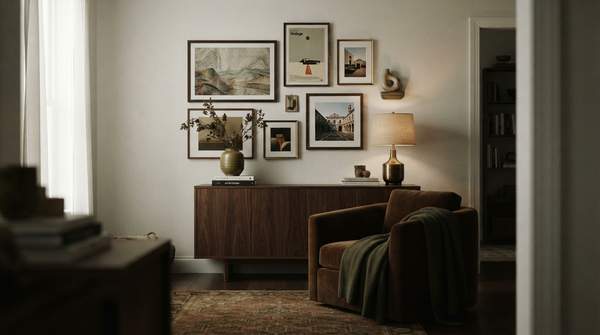
The multipurpose media room takes the opposite bet: instead of carving out a sealed environment, it folds high-quality AV into a room that already works for daily life. Industry reporting shows homeowners placing equipment in spaces where they can do a variety of activities, from casual viewing to entertaining, without retreating to a separate chamber.
The appeal is integration. When integrators collaborate with interior designers, the result is a system that complements the living space rather than competing with it. The trade-off is environmental: a shared room has windows, open sightlines to other areas, and furnishings chosen for living rather than acoustics. Designing a media room means choosing equipment and lighting that tolerate those conditions—adaptable displays, layered lighting, and sound that works with, not against, the room's everyday character.
Neither approach is a lesser version of the other. They are different engineering problems: one manages a controlled environment, the other manages compromise gracefully.
Dedicated vs. Multipurpose: A Home Theater Decision Matrix
Use this matrix to compare the two models systematically across the design dimensions that matter most. Read each row against your own home: where your situation aligns with the dedicated column in most rows, a purpose-built room will reward the investment; where it aligns with the multipurpose column, integration is the sounder path.
| Design Factor | Dedicated Home Cinema | Multipurpose Media Room |
|---|---|---|
| Primary Use | Optimized for a professional theatrical experience, separate from the rest of the property | AV integrated into a room used for a variety of activities alongside entertainment |
| Space & Layout | Requires a closed-off, dark space—often a basement, spare bedroom, or converted room; typically needs more upgrades to achieve the desired environment | Uses existing living areas; prioritizes flexibility and integration over strict environmental control |
| Acoustic Control | Optimized for sound immersion, often with specific acoustic treatments for superior audio quality | Adaptable sound design that coexists with the room's everyday character and décor |
| Lighting Control | Demands full control over ambient light, including special overhead lighting and controlled scenes, for a dark, immersive environment | Designed to function with varying ambient light, with lighting supporting both entertainment and daily living |
| Typical Equipment | Surround sound systems, projectors or large screens, controlled lighting, and luxury theater seating | High-quality AV equipment selected to blend with the living space and its uses |
| Aesthetic Integration | A distinct, self-contained environment with its own design language | Increasingly shaped by integrators working with interior designers and architects to complement overall home décor |
The matrix makes the underlying logic visible: the dedicated cinema wins wherever environmental control is the deciding factor, while the media room wins wherever flexibility and integration dominate. Most households will find their answer by checking which column matches their available space and how they actually spend evenings at home.
Key Design Elements for Any Home Theater Project
Whichever model you choose, three elements determine whether the result feels like a genuine theater or just a big television.
Display: TV or Projector
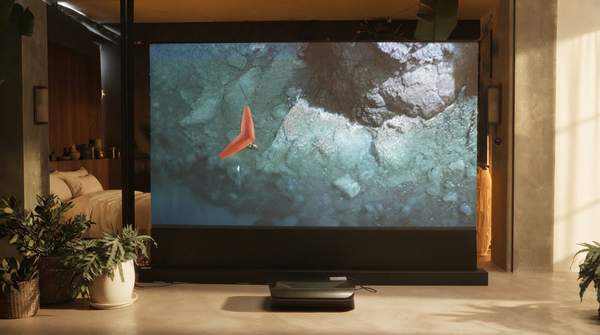
The screen is the anchor of the experience. Projectors and large screens are the classic choice for front-projection cinema rooms, where full light control makes the largest image practical. In multipurpose spaces with uncontrolled daylight, display selection becomes the central compromise: the environment, not preference alone, should drive this decision.
Sound System
Audio defines immersion. A home theater's sound system is what separates it from ordinary TV viewing, with speaker systems positioned to create a true cinematic feel and clear dialogue. Dedicated rooms allow acoustic treatments and full surround configurations; shared rooms demand a more adaptable approach that respects the space's other functions.
Layout: Seating and Sightlines
Audio Advice's design guidance, written by Danielle Welch, stresses that layout is where front-projection systems live or die. If you use a projector with a large screen, you must plan sightlines—the unobstructed view from every seat to the screen. She illustrates the failure mode directly: in an older commercial cinema, when someone tall sits in front of you, "that is an example of sightlines being off." Seating arrangement, and risers to elevate rear rows, prevent the same problem at home.
Lighting
The same guidance recommends planning task lighting, accent lighting, and safety lighting as part of the design rather than an afterthought. Remote-control lighting adds a wow factor and, more practically, lets a multipurpose room shift from daytime living to evening viewing without rewiring the mood.
Making Your Choice: Practical Considerations
Weigh four questions. First, space: do you have a room you can close off and darken? If not, the multipurpose path is not a consolation prize—it is the model the industry itself has embraced. Second, habits: does your household watch films as deliberate events, or is the screen woven into cooking, entertaining, and daily routines? Third, décor: dedicated rooms are self-contained environments, while integrated rooms now benefit from integrators collaborating with interior designers to match your home's style.
Acknowledge the honest boundaries of this framework. It rests on common design considerations and user needs, not specific product recommendations or cost analyses—budgets vary too widely for universal figures. It also reflects current industry observations; the trend toward multipurpose rooms does not imply dedicated setups are obsolete, and it does not cover professional installation logistics or advanced calibration, which deserve their own planning.
Choosing Your Ideal Home Entertainment Space
Homeowners and renters can decide between a dedicated home cinema and a multipurpose media room by evaluating their space, lifestyle, and entertainment priorities against the key design factors in the matrix above. Walk the rows honestly: your available room, your viewing habits, and your tolerance for environmental control will point to one column.
The measurable indicator that your decision is complete is a clear plan for display type, sound system, and room layout that aligns with the chosen room model. Once you can state what screen technology you will use, how your speakers will be placed for your room's acoustics, and where every seat will sit relative to the screen, you have not just chosen a model—you have a blueprint you can act on.
Sources
- Adiglobaldistribution
- How Home Theaters Can Boost Your Property Value — TheaterSeatStore Blog
- Client Challenge — SCRIBD
- Home Cinema Design Guide: Layout, Acoustics and AV — Custom Controls
- Home Theater Design Guide: What Type Of Home Theater Is Right For You? — World Wide Stereo
- Home Theater Design and Layout Best Practices and Tips — Audio Advice