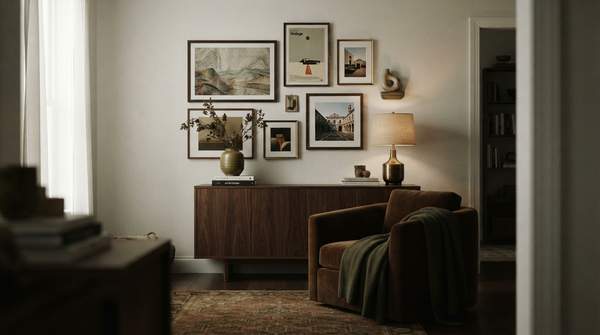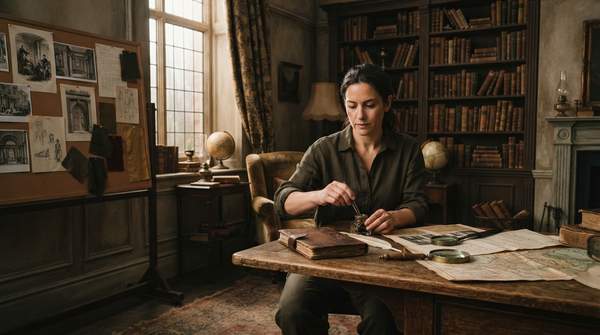
When a period drama feels transportive, it is rarely because the set replicates history exactly. Production designers describe their work as a deliberate negotiation: they weigh historical accuracy against the demands of character, plot and audience engagement, and they often let the story win. The BBC, as one industry account notes, admits it takes “liberties” to make characters interesting and stories compelling in period productions. Understanding that negotiation is the key to reading any historical set with a designer’s eye.
The Foundation of Period Drama Set Design: Research and Vision
Every historical world begins with the script. Designers read it repeatedly, taking notes on emotions, dialogue and visual cues that surface from the text; that deep script analysis builds the foundation of any period-accurate design. Alongside it sits research into the historical timelines and visual aesthetics relevant to the production, which informs the visual language the designer will develop.
As an introduction to the field from Carter Hartong outlines, set design encompasses more than beautiful visuals: it includes research into historical periods, adapting designs to the dimensions and features of the performance space, and managing budgets to balance creativity with financial realities. The core physical vocabulary—sets as the main structures, props that actors use to enhance the narrative, and backdrops that define setting or mood—exists to serve that researched vision.
Crafting Immersive Worlds: From Concept to Reality
From there, the work becomes translation: turning concepts into visual language, then into tangible environments. Practitioners describe the journey from historical research to finished film sets as one of careful planning and creative teamwork at every step, with particular attention to scale and proportion. The ultimate goal, as set design guidance puts it, is to create truly immersive environments—spaces where audiences forget they are watching a movie and feel transported to another time.
That ambition shapes every practical decision. A room must read instantly on camera; a corridor must carry the emotional weight the scene demands. The designer’s research becomes raw material, not a rulebook, and the set is judged by whether it helps the viewer inhabit the story rather than by whether a curator would approve it.