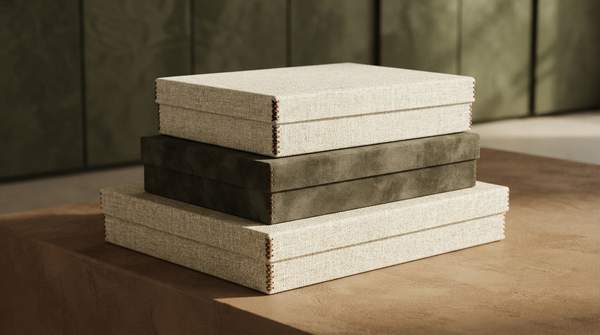
For book collectors, ensuring the long-term preservation of a cherished collection is paramount. The two primary archival strategies, optimized open shelving and specialized archival boxing, offer distinct pathways to this goal, each with its own set of trade-offs. Your choice depends on a careful balance between the need for robust protection, your desire for aesthetic display, and practical accessibility. While most collectors enjoy having their books visible and ready for use on shelves, an archival box in a climate-controlled environment can significantly extend the life of rare, valuable, or particularly fragile volumes.
Optimized Open Shelving: Display and Accessibility
Displaying your collection on open shelves is the most common and visually rewarding storage method. However, achieving archival-quality shelving involves more than simply finding a space for your books. Following established best practices ensures you provide proper physical support and minimize the cumulative stress that can damage a book's structure over time. The objective is to create an arrangement that is both beautiful and structurally sound for the long haul.
A fundamental rule is to store books of the same size together. Grouping books of similar height and width allows them to provide mutual support, preventing the covers of smaller books from being indented or warped by the weight of larger neighbors. When placing them on the shelf, arrange the books to stand upright. They should be packed closely enough to support one another without leaning, but loosely enough that you can remove a single volume without putting pressure on its binding or scraping against the adjacent books. A book that is too tightly packed is at risk of damage every time it is retrieved.
Special consideration must be given to oversized volumes. According to preservation best practices, large books—generally those over 18 inches high or 3 inches wide—are best stored lying flat. This orientation prevents gravity from pulling the heavy text block away from the spine, a common cause of structural failure. To avoid placing excessive weight on the spines and covers of the books at the bottom, you should stack them no more than three high.
Archival Boxing: Enhanced Protection for Valuables
For your most valuable, rare, or structurally delicate books, archival boxing offers a superior level of protection. A well-chosen box creates a stable microenvironment, shielding a book from the primary agents of decay: dust, pollutants, and light, which can cause paper to degrade and covers to fade. This enclosure also buffers the book against the damaging effects of sudden fluctuations in ambient temperature and humidity.
When selecting a storage box, it is crucial to use materials that are both acid-free and lignin-free. As explained by preservation specialists, standard cardboard and paper products contain acids that can migrate to your books over time, causing pages to become yellow and brittle. Archival-quality boxes are chemically inert and prevent this degradation. For especially fragile items, a custom-made, acid-free box sized specifically for the book provides the best possible fit, preventing the item from shifting during handling.
Proper preparation is also key. Before boxing a book, you can gently clean it with a soft, dry cloth or a sable brush to remove any surface dust. To avoid transferring oils from your skin, it is wise to handle old artifacts with clean, dry hands or to wear cotton or nitrile gloves. For books with special features, additional steps may be needed. Archival Methods, a supplier of preservation materials, notes that books with leather covers require a protective layer between the leather and a buffered box to prevent potential chemical reactions. For books containing color plates or delicate illustrations, you can place sheets of archival paper between the pages, a practice known as interleaving, to prevent ink transfer and abrasion.
Archival Book Storage: Shelving vs. Boxing Comparison
Your decision to shelve or box a book involves a direct trade-off between the level of preservation, the visibility of your collection, and how you intend to use it. While one method maximizes protection, the other prioritizes access and display. This comparison outlines the key differences to help you develop the best strategy for different parts of your personal library.
| Storage Method | Protection Level | Space Efficiency | Accessibility & Display |
|---|---|---|---|
| Optimized Open Shelving | Provides essential physical support when books are arranged correctly. Offers limited protection from dust, light, pests, and environmental changes. | Effectively uses vertical space. Requires enough room for books to stand upright without being packed too tightly. | Excellent. Allows for immediate visual access, browsing, and retrieval. Ideal for frequently used or displayed collections. |
| Archival Boxing | Superior. Protects against dust, light, pollutants, and physical damage. Acid-free materials prevent chemical deterioration. | Can be very space-efficient for long-term storage, as boxes can often be stacked. Ideal for organizing unique or fragile items. | Limited. Books are not visible and must be unboxed to be viewed or read. Best for items not intended for regular handling. |
Choosing the Right Method for Your Collection
Ultimately, the most effective archival strategy for many collectors is a hybrid approach. You can use optimized open shelving for the bulk of your collection that you wish to display and access regularly, while reserving archival boxes for your most irreplaceable, valuable, or fragile volumes. By carefully evaluating each book's condition, its monetary or sentimental value, and your personal patterns of use, you can make an informed decision that ensures its preservation for generations to come.
Collectors should choose between optimized open shelving and archival boxing, or a combination of both, based on the value, fragility, frequency of access, and desired display of their books, while adhering to best practices for each method. A collector's decision is observable by the type of storage materials purchased and implemented; for instance, a commitment to preservation might be seen in the acquisition of acid-free boxes for first editions or the installation of sturdy, flat shelving with appropriate bookends for a home library.
Sources
- Archival Storage 101 Video + Transcript - Congregational Library & Archives
- Best Practices for Archival Storage: Materials and Planning Essentials — Lucidea
- Museum Rare Book Storage — Increase Productivity With Space-Efficient Storage Solutions
- Preserving Old Books | Archival Preservation & Conservation Explained — Archival Methods Blog
- How to Store Old Books – Archival Methods Blog