Children learn about the world through stories long before they can explain why those stories matter. A familiar character, a gentle song, or a picture book shared at bedtime can become part of how a child understands kindness, family, language, identity, and where they come from.
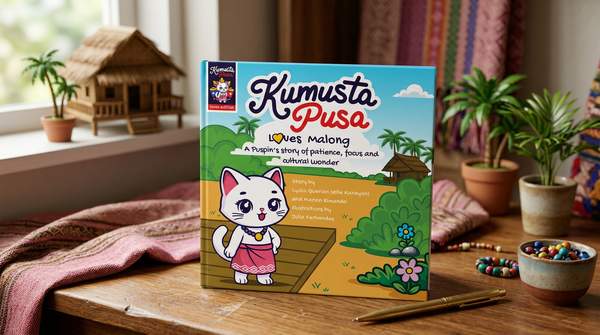
That simple idea is at the heart of Kumusta Pusa®. Created by Dr. Marlon P. Rimando, this children’s literacy and cultural storytelling initiative brings Filipino culture to life through read-aloud books, stories, songs, and community engagement. Its approach is gentle by design, creating opportunities for children to discover heritage while feeling welcomed, encouraged, and connected.
For Filipino families, especially those raising children away from the Philippines, culturally meaningful storytelling can offer something particularly valuable: a way to keep traditions, language, memories, and values present in everyday childhood.
Stories Can Help Children Feel Connected to Culture
Cultural identity is not formed through one lesson or one special occasion. It develops through the small experiences children encounter repeatedly—what they hear at home, the stories they share with family, the words they learn, the traditions they recognize, and the people and places they see represented around them.
Children’s books can make those experiences approachable.
When Filipino culture appears naturally in a child’s reading life, heritage becomes something they can explore with curiosity and joy. A story can introduce a Filipino word, a familiar tradition, an animal native to the Philippines, or a cultural value in a way that feels accessible to a young reader.
This is one reason Kumusta Pusa® places storytelling at the center of its work. Rather than presenting culture as something distant or confined to a history lesson, the project creates playful opportunities for children to encounter Filipino identity through characters and stories they can enjoy.
For families in the Filipino diaspora, that can make cultural learning feel less like an obligation and more like a shared family experience.
A Gentle Approach to Childhood Literacy
Learning to read is an important milestone, but childhood literacy is also about developing a relationship with stories.
A child who listens to a parent read aloud is doing more than hearing words. They are noticing pictures, asking questions, imagining possibilities, recognizing emotions, and learning that books can be places of comfort and connection.
Kumusta Pusa® embraces this shared experience through read-aloud storytelling. The emphasis is not on rushing children toward a particular achievement. Instead, stories can become invitations to wonder, conversation, and discovery.
That distinction matters.
Children develop at different paces, and family reading does not have to become another source of pressure. A few quiet minutes together can be meaningful. A child pointing at an illustration, asking about a character, repeating a Filipino word, or sharing a personal memory can turn a simple story into a moment of connection.
This gentle perspective also reflects the wider spirit of Kumusta Pusa®: children deserve spaces where curiosity and imagination can grow alongside kindness.
Saluhan: Lifting One Another Up Together
One of the ideas that gives Kumusta Pusa® its distinctive character is saluhan, understood as lifting one another up together.
It is a meaningful foundation for a children's literacy initiative because childhood is never something a child navigates entirely alone. Parents, grandparents, teachers, siblings, friends, librarians, and communities all have opportunities to help children feel supported.
Saluhan shifts the focus away from the idea that every child needs to become a solitary hero. Instead, it recognizes the value of helping one another, listening to one another, and creating spaces where everyone has a place.
That spirit can be reflected in something as simple as reading together.
A parent can ask a child how a character might be feeling. A grandparent can share a family story connected to Filipino heritage. A teacher can invite children to talk about what makes their families unique. A group of children can discover that friendship becomes richer when everyone brings their own experiences to the conversation.
These moments may be small, but they reinforce an important message: we belong to one another.
Filipino Values Can Be Shared Through Everyday Moments
Cultural values become more meaningful when children can encounter them in ways they understand.
Kindness can appear when a character helps a friend. Empathy can emerge when a story encourages children to consider another person's feelings. Respect can be explored through family conversations. Cultural pride can grow when children recognize elements of their own heritage in a story and realize that those experiences are worthy of being celebrated.
Kumusta Pusa® brings these ideas together through a storytelling world centered on Filipino values, friendship, imagination, and cultural connection.
The approach also leaves room for families who are still learning about Filipino heritage themselves. Not every parent will speak Tagalog fluently. Not every child will grow up surrounded by Filipino traditions. Some families may be reconnecting with their heritage after generations, while others may be introducing Filipino culture to children growing up in multicultural households.
Storytelling can meet families wherever they are.
A child does not need to know everything about a culture before being invited to explore it. Sometimes the most meaningful starting point is simply a question: Kumusta ka? How are you?
That spirit of curiosity can open the door to conversation.
Making Cultural Pride Feel Joyful
Children deserve cultural stories that allow them to see heritage as something vibrant, welcoming, and alive.
Kumusta Pusa® approaches Filipino culture with warmth and playfulness, using a Puspin character as a friendly point of connection. Through stories, songs, and smiles, children can encounter aspects of Filipino life without losing the sense of fun that makes childhood storytelling so engaging.
That balance is important.
Cultural storytelling does not have to be solemn to be meaningful. Children can laugh while learning. They can sing while discovering language. They can become curious about animals, traditions, places, and family experiences while simply enjoying a good story.
Joy can be part of cultural learning.
For Filipino parents and caregivers, that can create opportunities to share pieces of their own experiences with the next generation. A book can lead to a conversation about a grandparent. A Filipino word can prompt a family memory. A character can inspire a child to ask what life is like in a place they have only heard about.
In this way, stories can become bridges between generations.
Community Belongs at the Heart of Children's Stories
Kumusta Pusa® also recognizes that cultural connection does not happen only inside the home.
Community spaces can give children additional opportunities to see their heritage celebrated. Libraries, schools, cultural gatherings, family events, and other shared spaces can turn storytelling into a collective experience.
This community-centered approach aligns naturally with saluhan. Instead of treating literacy and cultural identity as individual pursuits, it invites people to participate together.
A child can discover a new story alongside classmates. A family can attend a community event and meet others who share aspects of their heritage. A caregiver can find a simple way to introduce Filipino culture into everyday family life.
Each interaction can help reinforce a sense of belonging.
For children growing up far from the Philippines, these connections can be especially meaningful. Cultural identity does not have to depend on geography alone. It can also live in language, stories, relationships, memories, values, and the willingness of communities to keep sharing them.
A Story Can Be a Small Act of Care
Trust in children's storytelling is built through consistency, care, and respect for young readers and their families.
Kumusta Pusa® is grounded in the belief that stories can do more than entertain. They can provide comfort, encourage empathy, nurture imagination, and create opportunities for children to understand both themselves and others.
Most importantly, the project does not treat cultural identity as something children have to prove. It creates an invitation: come closer, listen, wonder, ask questions, and share.
That invitation reflects the heart of saluhan.
Sometimes lifting one another up begins with something very simple—a story read together, a song shared with a child, a new word spoken aloud, or a conversation that makes someone feel seen.
Kumusta Pusa® brings those moments together through Filipino storytelling with a gentle purpose: helping children grow their imaginations while discovering the culture, values, and connections that can help them feel at home in their own stories.