For urban apartment dwellers, integrating biophilic design elements offers a powerful way to reconnect with nature, significantly enhancing well-being. This approach can boost mood, support mental clarity, reduce stress and anxiety, and foster emotional balance through daily exposure to natural elements, according to Manon Design Studio. Scientific studies consistently show that even minimal interactions with nature, such as seeing greenery or natural light, can lead to lower cortisol levels and improved focus. The innate human need to connect with the natural world, known as biophilia, has become increasingly palpable, especially given the ongoing urbanization of the planet and the documented link between a disconnect from nature and negative impacts on well-being, including mood disorders and increased stress levels, as noted by Quadrostyle.
In the dense urban landscape, where access to green spaces can be limited, apartments serve as crucial personal sanctuaries. Biophilic design transforms these spaces, allowing residents to harness the health benefits of being in nature every day, a concept highlighted by Tom Raffield. Fortunately, many biophilic touches are renter-friendly, making them easy to implement without major renovations. The focus for apartment renters is on temporary, non-damaging, and easily reversible solutions that maximize impact in limited spaces, ensuring that an apartment can become a true oasis.
Understanding Renter-Friendly Biophilic Elements
Renter-friendly biophilic design prioritizes elements that can be easily installed and removed without causing permanent alterations or damage to a rental property. This approach allows urban apartment dwellers to enjoy the profound benefits of nature indoors while adhering to lease agreements and maintaining flexibility. The key is to select solutions that are temporary, reversible, and often space-saving, transforming even compact apartments into serene, nature-connected sanctuaries, as highlighted by Manon Design Studio.
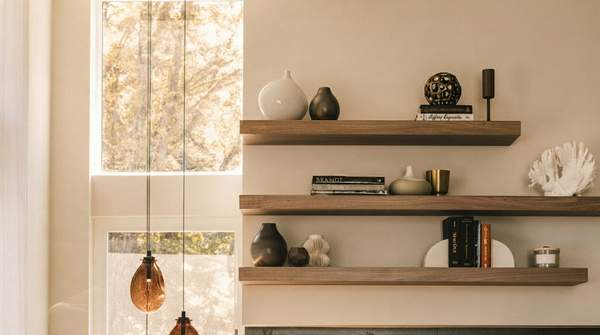
For instance, vertical gardens and wall-mounted planters are excellent choices because they introduce greenery without occupying valuable floor space. Similarly, organic materials like rattan, linen, and natural wood can add warmth and texture through furniture or decor that is not fixed. Strategic lighting, which enhances atmosphere, and peel-and-stick natural wallpapers offer temporary ways to integrate natural patterns and textures, making them ideal for renters. These elements are chosen for their ability to provide significant well-being benefits while respecting the temporary nature of rental living, ensuring that the connection to nature is both impactful and practical.
Comparative Guide to Renter-Friendly Biophilic Elements
Integrating biophilic elements into an urban apartment involves balancing their well-being benefits with practical considerations for renters, such as installation complexity, maintenance, and cost. The following comparison outlines key elements suitable for temporary living spaces:
| Biophilic Element | Well-being Impact | Renter-Friendliness (Installation/Removal) | Maintenance Needs | Estimated Cost |
|---|---|---|---|---|
| Living Greenery: Indoor Plants & Vertical Gardens | Boosts mood, supports mental clarity, reduces stress, fosters emotional balance by reconnecting with nature. | Vertical gardens and wall-mounted planters are space-saving and temporary. Movable plant stands are also renter-friendly. | Requires regular attention to light, water, and humidity; occasional pruning or repotting. Researching plant-specific needs is essential. | Moderate (for plants and basic planters) to High (for advanced modular vertical garden systems). |
| Natural Materials & Textures | Adds warmth and texture, contributing to a calming and grounding environment. Can reduce stress and mitigate depressive symptoms. | Peel-and-stick natural wallpapers offer temporary and easily reversible solutions. Furniture and textiles are non-permanent. | Low; generally requires dusting or occasional cleaning depending on the material. | Low (for small accents) to Moderate (for furniture or larger textile pieces). |
| Optimized Lighting & Circadian Rhythms | Optimizing natural light and using circadian lighting patterns supports mental clarity, emotional balance, and can improve sleep hygiene. | Soft, strategic lighting can enhance atmosphere without oversized décor. Smart bulbs are easily installed and removed. | Low; involves adjusting blinds/curtains or changing light bulbs. | Low (for specialized bulbs) to Moderate (for smart lighting systems). |
| Nature-Inspired Art & Visuals | Inspires a sense of nature, promotes relaxation, and reduces stress. Visually expands space and brings the allure of nature indoors. | Prints, photographs, and paintings are easily hung and removed. Digital art on smart TVs is non-permanent. | Low; typically involves dusting frames or screens. | Low (for prints) to High (for smart TVs or original art). |
| Natural Soundscapes & Aromatherapy | Sound of running water can soothe. Aromatherapy can encourage relaxation and stress reduction. | Portable diffusers and sound systems are easily placed and removed. | Low; refilling diffusers, occasional cleaning of devices. | Low (for diffusers/essential oils) to Moderate (for quality sound systems). |
Living Greenery: Indoor Plants & Vertical Gardens
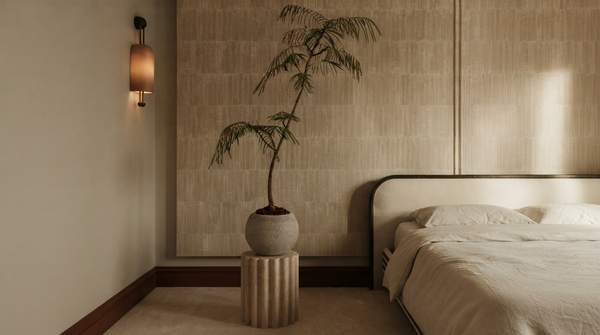
Indoor plants and vertical gardens are celebrated for their ability to boost mood, support mental clarity, reduce stress, and foster emotional balance by reconnecting urban dwellers with nature, as noted by Manon Design Studio and Tom Raffield. These living elements bring the outdoors in, even without a backyard, transforming empty walls into lush living art. Modular, wall-mounted planters or sleek hydroponic systems allow for growing fresh herbs in the kitchen or adding cascades of ferns and ivy to living rooms, naturally purifying the air and softening spaces with greenery, according to Manon Design Studio. From a renter's perspective, vertical gardens and wall-mounted planters are particularly advantageous as they conserve floor space and are temporary installations, making them highly renter-friendly. They offer a dynamic, living connection to nature that evolves with the seasons.
However, maintaining plant health requires consistent attention to watering, sunlight, and humidity. Regular pruning or repotting is also essential for plants to flourish within apartment confines, as advised by Forest Homes. Renters should research the specific needs of their chosen green companions to ensure their well-being and the longevity of their indoor garden, considering factors like available natural light and humidity levels in their apartment.
Natural Materials & Textures
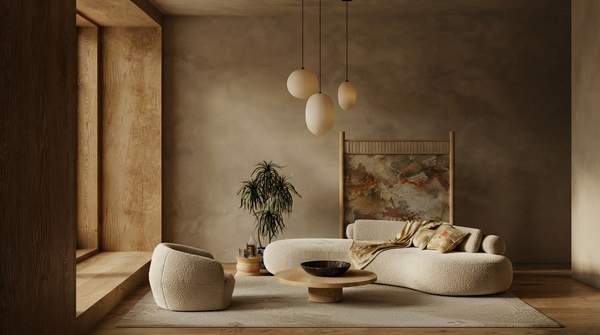
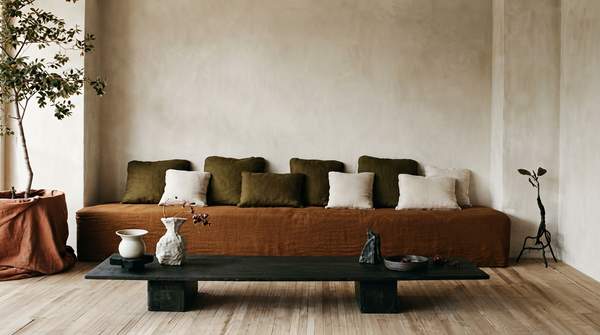
Incorporating natural materials and textures, such as wood, rattan, linen, and stone surfaces, adds warmth and tactile richness to an apartment, contributing to a calming and grounding environment. Manon Design Studio points out that organic materials like rattan and linen add warmth and texture. These elements can be introduced through furniture, rugs, textiles, or decorative accents. A report in PMC suggests that natural wood, for instance, can contribute to relaxation and stress reduction, mitigating depressive symptoms. For renters, peel-and-stick natural wallpapers offer a particularly convenient and renter-friendly solution, providing a temporary and easily reversible way to integrate natural textures and patterns without permanent alteration, as suggested by Manon Design Studio and Quadrostyle. Wooden accents and natural fibers in rugs and textiles can mimic the outdoors, according to Forest Homes.
The installation complexity for these elements is generally low, often involving simply placing furniture, hanging textiles, or applying temporary wallpaper. Maintenance is also minimal, typically requiring only routine dusting or cleaning appropriate for the material, making them a low-effort, high-impact choice for renters.
Optimized Lighting & Circadian Rhythms
Strategic lighting plays a crucial role in biophilic design, supporting mental clarity and emotional balance by optimizing natural light and, where possible, incorporating circadian lighting patterns, according to a report in PMC. Manon Design Studio notes that soft, strategic lighting can enhance the atmosphere without the need for oversized décor. For renters, this can involve maximizing existing natural light through thoughtful window treatments that allow ample daylight, or using smart bulbs that can adjust color temperature throughout the day to mimic natural light cycles. The design of a bedroom that supports sleep hygiene, resting, and relaxation can be further enhanced through biophilic elements like dimmable lighting using "zero-blue" bulbs, as detailed in PMC.
These lighting solutions are highly renter-friendly as they do not require structural changes. Maximizing natural light involves strategic placement of furniture and careful selection of curtains or blinds. Smart LED technologies are commercially available as "stand alone" bulbs or integrated systems, facilitating custom lighting design within biophilic interior environments, as noted in PMC. Maintenance is low, primarily involving adjusting light settings or replacing bulbs as needed.
Nature-Inspired Art & Visuals
Beyond living plants and physical materials, visual connections to nature can significantly impact well-being. Quadrostyle suggests that hanging nature prints, landscape photographs, or paintings of natural scenes can inspire a sense of nature and tie together a biophilic theme. These elements are highly renter-friendly, as they are easily hung and removed, offering a simple yet effective way to bring the allure of the outdoors indoors, as also mentioned by Forest Homes. Adding framed botanical prints or landscapes to walls can visually expand the space and bring the allure of nature indoors, according to Forest Homes.
Innovative approaches also include using technology, such as a Frame Smart TV, to display biophilic art. This can serve as a delivery system for nature-inspired art, music, and guided meditations, encouraging relaxation and stress reduction, which can mitigate depressive symptoms, as described in PMC. Such frame TV models are marketed for their ability to serve as décor to display art when not in use as a standard television. The installation complexity is minimal, involving hanging frames or setting up a smart TV, and maintenance is limited to occasional dusting.
Natural Soundscapes & Aromatherapy
While often overlooked, sensory elements beyond sight and touch can profoundly enhance a biophilic apartment. Incorporating natural soundscapes and aromatherapy offers a renter-friendly way to engage the auditory and olfactory senses, contributing to a calming and therapeutic environment. A report in PMC mentions an integrated diffuser in a floor lamp for aromatherapy, which, alongside biophilic and other design features, encourages relaxation and stress reduction. Similarly, a high-quality sound system can deliver music and guided meditations, expanding the application of interior features for therapeutic purposes.
While adding a water element like an aquarium isn't always practical for renters due to maintenance and potential damage, as Quadrostyle points out, the sound of running water can be simulated through sound machines or apps. Portable diffusers for essential oils and compact, high-quality sound systems are easily integrated into any apartment without permanent installation. These elements require minimal maintenance, such as refilling diffusers or occasional cleaning of devices, offering a low-effort yet impactful way to deepen the biophilic experience.
Maximizing Biophilic Impact in Small Spaces
Even small urban apartments can feel expansive and calm while remaining deeply connected to nature through thoughtful biophilic strategies, as Manon Design Studio emphasizes. The key is to utilize space mindfully and prioritize elements that offer significant impact without consuming excessive square footage.
One effective strategy is to "go vertical" with greenery. Vertical gardens and wall-mounted planters bring lush living art indoors without taking up floor space, transforming empty walls into vibrant natural features. These modular systems are practical and serve as a daily reminder of nature's calming presence, according to Manon Design Studio. Additionally, incorporating natural elements throughout the apartment design, such as wooden accents, natural fibers in rugs and textiles, or stone surfaces, can mimic the outdoors and visually expand the space, as suggested by Forest Homes. Adding framed botanical prints or landscapes to walls further enhances this visual connection to nature, creating a sense of depth and openness.
Optimizing natural light is another crucial aspect. Strategic placement of plants and thoughtful window treatments can maximize the influx of daylight, which supports mental clarity and emotional balance. Regularly tending to indoor plants, ensuring they receive adequate water and sunlight, and performing occasional pruning or repotting are essential for their health and for maintaining the biophilic balance within the urban environment, as advised by Forest Homes. Utilizing multifunctional furniture, such as ottomans with storage or wall-mounted shelves, can save space and create an organized, clutter-free environment, further enhancing the serene atmosphere of a biophilic design, according to Forest Homes.
Conclusion: Creating Your Urban Oasis
Integrating renter-friendly biophilic design elements into urban apartments offers a practical and impactful way to enhance well-being. By thoughtfully selecting elements like living greenery, natural materials, optimized lighting, nature-inspired art, and natural soundscapes, urban dwellers can create personal sanctuaries that reduce stress, boost mood, and foster a deeper connection with the natural world. The emphasis on temporary, non-damaging, and easily reversible solutions ensures that these design choices are compatible with rental living, allowing for a flexible yet profound transformation of living spaces.
Embracing biophilic design is not merely about aesthetics; it is about cultivating an environment that nurtures overall wellness and sustainability, even within the confines of city life, as RentCafe highlights. By mindfully incorporating these elements, renters can transform their apartments into havens that support mental clarity, emotional balance, and a renewed sense of connection to nature, making urban living more harmonious and restorative.
Sources
- 3 Biophilic Design Apartment Ideas to Bring Nature In — Manon Design Studio - Designing Spaces, Inspiring Lives
- 10 Renter-Friendly Biophilic Decor Ideas to Bring Nature Into Your Home — Quadrostyle
- Biophilic Design for Rented Homes — Tom Raffield
- How to incorporate nature in a small urban apartment? — Forest Homes
- Healthy Dwelling: Design of Biophilic Interior Environments Fostering Self-Care Practices for People Living with Migraines, Chronic Pain, and Depression - PMC — PMC
- Rentcafe