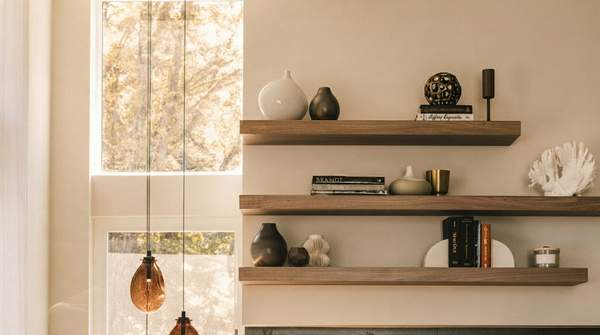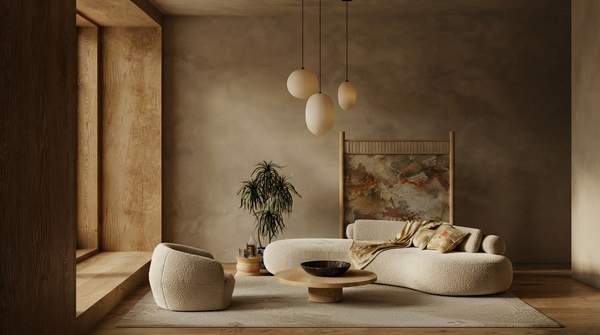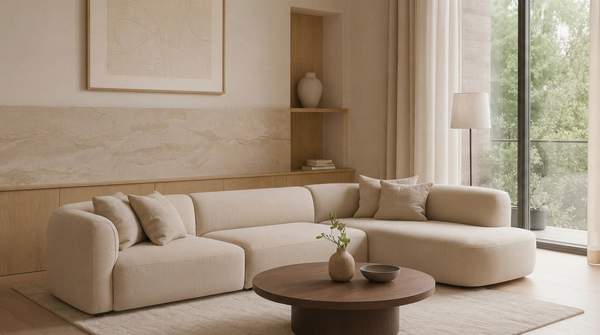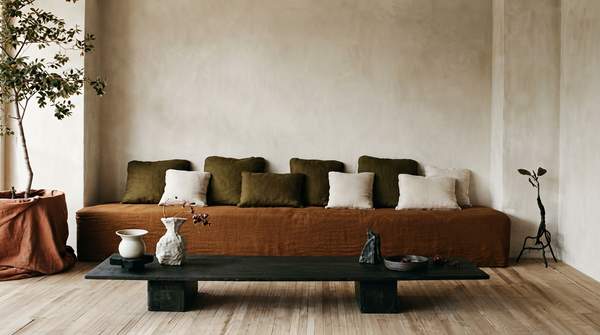
Wabi-Sabi asks you to do something counterintuitive: stop chasing perfection. This Japanese philosophy, which has become one of the most influential currents in contemporary interior design, finds beauty in asymmetry, wear, and the passage of time. Applied to a modern home, it rests on three working principles—imperfection, simplicity, and connection to nature—and each translates directly into choices about materials, furniture, and decor. This guide turns that philosophy into a decision framework you can actually use at the store, in the flea market, or while editing what you already own.
Embracing Wabi-Sabi: A Philosophy for Modern Interiors
The term combines two ideas. As design writer Sara Barbosa explains, wabi is the beauty found in asymmetry and roughness—think of an unglazed handmade ceramic figure—while sabi is the beauty found in the passage of time, the way wrinkles or the stains on an old mirror record a life lived. Together, the philosophy looks at design as "imperfect, impermanent, and incomplete."
What makes this relevant now is how it counters the polished sameness of mass production. Writing for Kumo Home, Mario Ryu describes modern wabi-sabi as grounded in authenticity: designers select natural materials and subtle shapes so each surface adds quiet character while avoiding excess. The result is interiors that feel curated yet effortless, and that grow more beautiful with time rather than dating themselves.
Core Principles of Wabi-Sabi Design
Across the sources, four tenets recur. L'Antic Colonial summarizes them neatly: order is peace, because uncluttered spaces promote mental calm; imperfection is beautiful, because irregularities carry unique charm; the old is sustainable, because reusing, restoring, and choosing durable materials is both necessary and attractive; and simplicity is essential, meaning fewer objects in a room, but objects with more meaning.
The other sources reinforce the same ground. The Interior Design Institute emphasizes raw, organic materials—wood, stone, linen—that showcase natural textures alongside a calm, understated aesthetic encouraging mindfulness. Emilceramica's design magazine frames imperfect design as an entire philosophy rather than a style choice: every crack in wood, every stain of faded paint, tells a story instead of being a flaw to hide.
The Wabi-Sabi Decision Framework for Your Home
Use this table to move from principle to purchase. For any object you are considering—sofa, vase, side table—ask which principle it serves and whether it passes the test in the middle column. The framework works as a filter: an item that satisfies none of the three rows is probably adding clutter rather than character.
| Core Principle | Application in the Home | Material/Object Examples |
|---|---|---|
| Imperfection | Let natural wear stay visible; choose items with unique irregularities; avoid overly polished, mass-produced perfection. | Aged wood furniture, handmade ceramics with slight variations, textiles with natural slubs or faded patterns, objects with visible repairs. |
| Simplicity | Declutter regularly; choose functional furniture with clean lines; keep open space to promote calm. | Unadorned wooden tables, simple linen drapes, minimalist ceramic vases, a neutral palette of earth tones, beige, and off-white. |
| Connection to nature | Use raw, organic materials; maximize natural light; introduce living plants and natural decor. | Rough wood, natural stone, oxidized metal, jute rugs, dried branches, indoor gardens. |
The color logic follows from the same principles. L'Antic Colonial describes the wabi-sabi palette as earth tones, beige, sand, stone gray, and off-white, softened with subtle pastels like sage green, smoky blue, and powder pink—hues chosen to create a serene, balanced atmosphere rather than to demand attention.
Selecting Materials and Objects for a Wabi-Sabi Home
For surfaces and large pieces, favor materials that record time. Emilceramica's guidance points to rough wood, natural stone, oxidized metal, and lived-in fabrics, often left natural or treated only to enhance their patina. Rustic furniture with simple lines and an aged or handcrafted appearance is central: restored wooden tables, low benches, cabinets without handles—pieces whose imperfections fill a space with its own history.
For decor, prioritize the handmade and the one-of-a-kind. Barbosa notes that handmade objects are often unrepeatable, and that made-to-order or customizable pieces strengthen the connection between you and the objects you live with. Handcrafted ceramic vases and clay bowls work well, as do dried branches and natural fiber rugs like jute. Plants deserve special mention: greenery makes the interior itself impermanent, since an indoor garden is an ever-evolving element rather than a fixed arrangement.
Creating Serene Spaces: Room-by-Room Applications
The clearest room-level guidance from the evidence concerns the living room and bedroom. In the living room, L'Antic Colonial recommends an open, uncluttered layout with low furniture: washed linen sofas, jute rugs, and untreated wooden side tables taking center stage, with handcrafted ceramics, clay bowls, dried branches, or minimalist organic sculptures as accessories.
The bedroom should be treated as a sensory refuge without unnecessary visual stimuli—the same source frames it explicitly as a space designed to remove clutter from view. Beyond these two rooms, the general principles carry over: warm, diffused lighting rather than harsh glare, and the discipline of fewer, more meaningful objects. The evidence supports applying the framework room by room rather than prescribing a fixed formula for kitchens or baths.
Cultivating a Wabi-Sabi Lifestyle
To successfully integrate Wabi-Sabi into your modern home, consciously choose items that embody imperfection, simplicity, and a connection to nature, prioritizing authenticity and craftsmanship over pristine perfection. This is a curation discipline, not a shopping spree: each addition should either carry a story of use and making, or earn its place through quiet function.
The observable signal of successful Wabi-Sabi integration will be a living space that feels serene, grounded, and authentically reflective of the passage of time, with a noticeable absence of clutter and an appreciation for natural elements. Ryu captures the end state well: rooms designed not just to look good but to feel right, environments that grow more beautiful with time. Judge your progress by that standard—when the space calms rather than stimulates, the philosophy is working.
Sources
- What Is Wabi-Sabi And How To Design A Wabi-Sabi Home? — Hommés Studio | Modern Interior Design
- Modern Wabi-Sabi: A Young Aesthetic Without Boundaries — KUMO HOME
- What is Wabi Sabi in Interior Design & How to Introduce — L'Antic colonial
- The Interior Design Institute
- Wabi-Sabi: The Aesthetics of Imperfection in Interior Design — Emilceramica