Imagine furnishing your living room with designer-level pieces, all while paying 20-60% less than retail, simply by knowing where and how to shop. This pursuit of high-end aesthetics on a budget defines savvy consumers in 2026. While both Target and HomeGoods offer affordable home decor, their shopping experiences and the value they provide are fundamentally different—one caters to consistency, the other to discovery. Understanding these distinct retail approaches is crucial for decorators aiming for a sophisticated look without overspending.
Target: The Reliable Go-To for Consistent Style
Target offers a dependable path to stylish home decor without extensive searching, delivering better value for most shoppers seeking consistent inventory, predictable pricing, and convenient online/in-store options, according to libausa. This retail giant democratizes design, making curated aesthetics accessible and predictable for a polished finish.
Curated Collections & Key Pieces
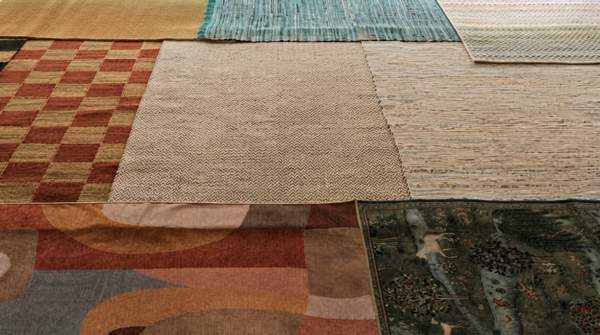
Target's strength lies in its ability to offer cohesive design through curated lines like Hearth & Hand, which feature hundreds of items from wreaths to wall art. These collections allow for a unified aesthetic, though styles are seasonal and less unique than one-off finds. Beyond collections, Target provides affordable, stylish foundational pieces. Real Simple highlights items like elevated side tables, area rugs, lamps, paintings, and throw blankets, all starting at $12. These selections offer functional elegance, room definition, ambiance, instant art upgrades, and textural comfort, despite potential variations in material quality or originality. For more, see our Affordable Home Decor Finds Target.
HomeGoods: The Thrill of the Designer Treasure Hunt
HomeGoods caters to the thrill of discovery, rewarding persistent shoppers with unique, designer-discount finds at 20-60% below comparable retail, as libausa notes. This "treasure hunt" model, often unorganized and in-store only, thrives on inconsistency, offering one-off items that demand immediate purchase. While its pricing strategy delivers deep discounts on designer-level pieces, the stricter return policy and unpredictable inventory underscore a value proposition tied to serendipity rather than convenience. The implication is that HomeGoods offers a different kind of value, one tied to the pursuit and serendipity rather than mere transaction.
Making Your Choice: Convenience vs. Discovery
The distinction between Target and HomeGoods reveals that "value" is inherently subjective. libausa notes Target offers "better value for most shoppers" through consistency, while HomeGoods "excels for treasure hunters" with deep discounts. This implies a fundamental choice: predictable convenience versus the potential for deeper, yet less certain, price cuts on unique items. Shoppers prioritizing guaranteed satisfaction and efficiency should favor Target, leveraging its predictable inventory and generous return policy to mitigate decorating risks. Conversely, those who relish the pursuit and are willing to invest time for unparalleled savings on distinctive pieces will find HomeGoods more rewarding. The "hidden cost" of time and effort in treasure hunting makes HomeGoods a less efficient option for most seeking consistent results, yet it remains a haven for those who value discovery above all.
Your Questions Answered: Smart Decor Shopping
Where to find cheap decor for a luxury look?
Beyond Target and HomeGoods, outlets like TJ Maxx and Marshalls offer similar treasure-hunt experiences. Online retailers such as Amazon and Wayfair provide vast selections, with customer reviews guiding quality choices. Embracing a "modern heirlooms" aesthetic, which blends vintage and new items, can also create a high-end, curated feel on a budget, as Dengarden suggests.
How to make a home look expensive on a budget?
Elevate a room by focusing on lighting, textiles, and art. Invest in quality lighting fixtures or dimmers. Layered textures from throw blankets and pillows, even from budget stores, add depth. Carefully selected artwork, even prints, can provide a focal point and contribute to a perceived luxury.
What are the best budget-friendly home decor stores?
Target remains a top choice for consistent style and convenience. HomeGoods offers significant value for unique, deeply discounted designer finds, provided shoppers commit to regular visits. IKEA provides functional, modern pieces, while local thrift stores yield one-of-a-kind vintage treasures.
As consumer preferences continue to evolve, the landscape of affordable luxury in home decor will likely see a further blurring of lines between curated consistency and the thrill of the hunt, challenging retailers to innovate new models that cater to both efficiency and serendipity.