For the discerning collector, displaying a treasured book or art object is an act of celebration, but it also introduces risk. The right display solution must not only integrate with a home’s design but also provide a stable, protective environment. Choosing the best approach involves a careful evaluation of trade-offs between museum-grade preservation features like UV filtering and climate control, seamless aesthetic integration, and the specific needs of the object itself. From sealed, freestanding cabinets to simple acrylic stands, the ideal choice depends on the collection's value, fragility, and the collector's ultimate goals.
Collector's Guide: Display Solution Comparison
To select the most appropriate category of display solution, a collector must systematically compare options across key decision criteria. This framework evaluates four common types of cases against their suitability for different objects, preservation capabilities, aesthetic qualities, and relative investment, revealing the primary trade-offs for a private collection in a home environment.
| Solution Type | Best For | Preservation Features | Aesthetic Integration | Relative Cost/Complexity |
|---|---|---|---|---|
| Sealed Commercial Cabinets | Highly valuable or fragile items, such as rare books, textiles, and delicate 3D art requiring a controlled microclimate. | Sealed construction for dust and microclimate control, UV-filtering glass or acrylic, and robust security like gold-plated locks. | Offers a premium, professional look with features like LED lighting. As freestanding units, they are distinct pieces of furniture. | Highest. The cost reflects museum-quality specifications, advanced materials, and refined construction for optimal preservation. |
| Custom Built-ins | Collections where seamless integration with the home's architecture and interior design is the highest priority. | Can be designed to incorporate UV protection and high-quality lighting. Airtightness and climate control depend entirely on the custom design and materials. | Highest degree of integration. Can be tailored with materials like marble or brass to match existing decor and architectural style perfectly. | High. Complexity and cost are driven by bespoke design, materials, and potential integration of smart features like specialized locks. |
| Wall-Mounted Cases | Displaying items like sports jerseys, small objects, or single books where floor space is limited and a strong visual focus is desired. | Varies by model. Can offer UV protection and a sealed environment to protect against dust and moisture, crucial for textiles and memorabilia. | Saves floor space and can create a striking focal point. Design is often minimalist to let the object stand out. | Moderate. Offers a protective solution without the footprint or cost of a full cabinet, but requires secure wall installation. |
| Acrylic Boxes and Stands | Individual items like action figures, small statues, or special edition books where accessibility and versatility are key. | Can provide significant UV and dust protection. Magnetic closures may offer a dustproof seal, but they lack the airtightness of sealed cabinets. | Minimalist and versatile. Clear acrylic allows for maximum visibility from all angles and works well on existing shelves or desks. | Lowest. An accessible and flexible option for protecting individual pieces without the investment of a larger cabinet. |
Sealed Commercial Cabinets: Museum-Grade Protection for Your Collection
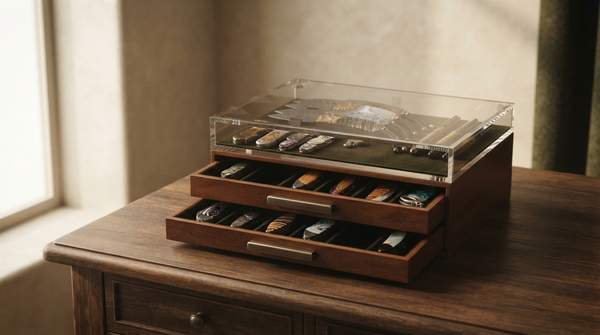
For the most valuable and fragile pieces, museum-quality display cases offer the highest level of preservation available to a private collector. These units are engineered for more than just showcasing artifacts; their refined construction is designed for long-term protection. According to one manufacturer, Hunter Expositions, this level of quality allows for improved presentation, longer preservation, and better security. Often freestanding with glass on all sides and a clean, minimalist aesthetic, these cabinets provide maximum visibility. Key features include sealed construction that helps create a stable microclimate, shielding contents from dust and fluctuations in humidity that can cause mold or degradation. Many incorporate UV-filtering materials to prevent light damage, a primary threat to textiles and documents. Security is also a priority, with some models featuring premium details like gold-plated locks to protect the contents.
Custom Built-ins: Seamless Integration and Tailored Design
When a display must feel like an integral part of a room’s architecture, custom built-in solutions are unparalleled. This approach allows a collector to commission a case that perfectly complements their interior design, whether by matching existing millwork or incorporating specific materials like marble or brass to reflect a certain aesthetic. According to the commercial supplier RTDisplay, private collectors use custom cases for everything from rare coins to avant-garde art. The primary advantage is complete design freedom. A built-in can be tailored to the exact dimensions of a collection and integrated with features like specialized lighting. While this option offers the ultimate in aesthetic harmony, the level of preservation can vary. Protective features such as UV-filtering glass can be specified, but achieving the airtightness of a commercial museum-grade cabinet depends on the skill of the designer and builder.
Wall-Mounted Cases: Space-Saving and Visually Striking
Wall-mounted display cases provide an elegant solution for showcasing items without consuming valuable floor space. According to the retailer TX Store Fixtures, these cases are designed to mount against or stand flush with a wall, making them visible from across a room. They are particularly effective for creating a focal point around a single significant object, such as an autographed sports jersey, a piece of textile art, or a rare artifact. The best examples offer critical preservation features. For irreplaceable memorabilia, a case that blocks UV rays and seals out dust and moisture is essential.
While they offer a more compact and often more affordable alternative to freestanding cabinets, their suitability depends on the weight of the object and the structure of the wall. The result is a display that can feel like a curated exhibit, turning a simple wall into a conversation starter.
Acrylic Boxes and Stands: Versatile and Accessible Display
For collectors seeking a flexible, clear, and cost-effective way to protect individual items, acrylic boxes and stands are an ideal solution. These displays are well-suited for smaller objects like action figures, statues, or autographed memorabilia that may be displayed on a desk or bookshelf. A key benefit is protection from the two most common threats in a home environment: dust and UV light. Many modern acrylic cases are designed with magnetic front panels that maintain a dustproof seal while allowing easy access to the object inside. The material itself is often treated to filter damaging UV rays. While they do not offer the climate control or high security of a sealed cabinet, they provide a practical and visually unobtrusive way to celebrate and preserve individual pieces of a growing collection.
Special Considerations for Displaying Valuable Books
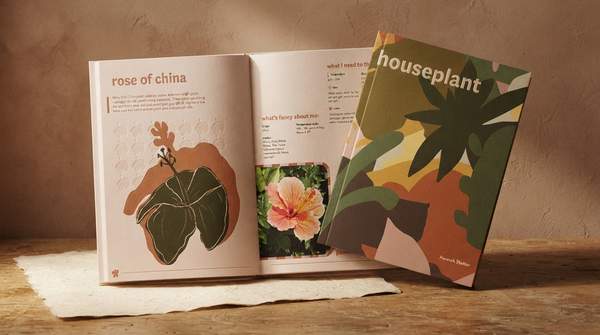
Displaying a valuable book presents unique challenges that go beyond a simple enclosure. According to principles discussed by conservator Natasha Herman, creating a preservation-conscious book display requires an understanding of structural support, physics, and materials. A book’s spine and binding are vulnerable to damage if left open or angled improperly for long periods. Using an acrylic or wooden bookstand provides essential structural support, allowing the book to be positioned at a safe angle for optimal visibility of its cover or open pages. Furthermore, the display should celebrate the book's complete craftsmanship. This includes incorporating its protective enclosures, such as slipcases and clamshell boxes, into the presentation. Displaying these elements alongside the book not only protects it but also adds a "museum-like" context, showcasing the artistry of the entire object.
Choosing Your Display Solution: A Practical Decision
Ultimately, the right choice hinges on a clear-eyed assessment of your priorities. Select a display solution category by prioritizing between maximum preservation (sealed commercial cabinets), seamless aesthetics (custom built-ins), space efficiency (wall-mounted cases), or versatility and cost (acrylic boxes/stands), while also considering the specific needs of books. Each path offers a distinct balance of protection and presentation tailored to the nature of your collection and your home. The goal is a solution that not only showcases your passion but actively preserves it for the future. The chosen display solution effectively protects the collection from environmental damage (e.g., dust, UV light) and physical harm, while aesthetically complementing the home environment and showcasing the objects as intended.
Sources
- Museum Display Cases - Goppion
- What Are the Different Types of Display Cases? A Comprehensive Guide — Retail Display
- Museum Quality Display Case Specifications: What to Know — Hunter Expositions
- 10 Best Climate-Controlled Display Cases (October 2026) Expert Picks — Of Zen and Computing
- Best Display Cases for Retail Stores (2026 Buyer's Guide) — TX Store Fixtures
- 9 Best Sports Memorabilia Display Cases & Cabinets for Every Collector's Budget — MILLIONS
- Displaying your special edition books
- How to display book - ILAB - EN