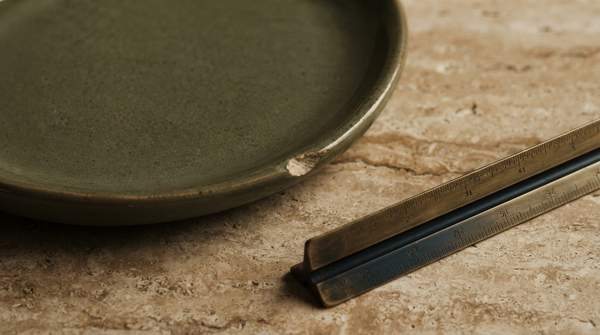
The difference between a piece of ceramic tableware that lasts a lifetime and one that chips after a few uses is not always obvious at first glance. High-quality ceramics, however, possess distinct characteristics that can be identified by a discerning eye and a knowing touch. According to the ceramics guide Töpferkunst, the distinction between an industrial plate and a high-quality piece is palpable "in the weight, in the glaze, in the sound when tapped." The quality of a ceramic piece is a result of its material composition, the firing temperature it endures, and the craftsmanship involved in its creation. By understanding the fundamental differences between common ceramic types and learning a few simple physical tests, you can confidently assess the durability and value of tableware before making a purchase.
Ceramic Tableware Comparison: Stoneware vs. Porcelain vs. Earthenware
The longevity, appearance, and appropriate use for ceramic tableware are largely determined by the type of clay used and the intense heat of the kiln. The three most common types found in homes—stoneware, porcelain, and earthenware—each have distinct properties derived from their unique manufacturing processes. High firing temperatures create a denser, more durable, and less porous body, a process known as vitrification, which is a key indicator of quality. This transformation of clay into a glass-like, water-resistant material is what gives high-quality ceramics their strength. As a general rule, the higher the firing temperature, the more robust and resilient the final product will be.
| Ceramic Type | Typical Firing Temperature | Key Properties | Best For |
|---|---|---|---|
| Stoneware | 1,200–1,300 °C | Dense, robust, and opaque with a weighty feel. Its texture pairs well with reactive glazes, offering a rustic aesthetic. | Everyday heavy use. It is valued for scratch-resistant surfaces and heat retention, and is often dishwasher and oven safe. |
| Porcelain | 1,250–1,450 °C | White, fine-bodied, and often translucent. It offers a refined, elegant appearance while being highly durable due to its high firing temperature. | Formal dinnerware and special occasions, though its durability also makes it suitable for daily use. It balances elegance and longevity. |
| Earthenware | 900–1,100 °C | Slightly porous, less durable, and lighter than other ceramics. It is an inexpensive option but more prone to chipping. | Decorative items or occasional, careful use. It is generally not oven-safe. |
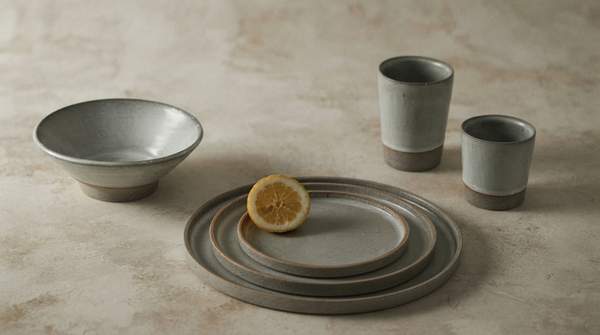
The material composition of each type provides a distinct canvas. Stoneware, with its robust formulations, offers a "rustic, weighty canvas" that complements reactive glazes and less formal designs, according to an article by Amelia Grant for the brand MALACASA. Its excellent heat retention and non-porous surface make it a practical choice for families and heavy daily use. In contrast, porcelain provides a "refined, often translucent ground" for more intricate patterns. Despite its delicate appearance, high-quality porcelain achieves an optimal balance of elegance and durability, making it a versatile and worthwhile investment for both special occasions and everyday meals.
Your In-Store Quality Checklist: Simple Tests for Durability
Beyond the label, the true quality of a ceramic piece can be felt in its weight, seen in its glaze, and even heard in its sound. These palpable details are reliable indicators of craftsmanship that allow you to assess an item's construction firsthand. Before you buy, performing a few simple, hands-on evaluations can help you gauge the quality and potential longevity of a piece, ensuring you choose tableware that is built to last.
The Tap Test
One of the most dependable indicators of quality is the sound the ceramic makes. Gently tap the rim of a plate or bowl with your knuckle. According to Töpferkunst, high-fired stoneware or porcelain will produce a "bright, clear sound – similar to glass." This ringing tone signifies a dense, well-vitrified body free of internal flaws. In contrast, lower-fired, more porous earthenware will emit a dull and hollow sound. This simple test is described as one of the most reliable ways to reveal the integrity of the ceramic, which is a direct result of the firing process.
The Glaze and Finish Inspection
A well-crafted piece will have a smooth, consistent glaze free from imperfections. Run your fingers over the surface and inspect it closely in the light. Guidance from tableware manufacturer Joyye advises looking for a surface free from "pinholes or bubbles," as these tiny flaws can be weak points where moisture could be absorbed over time, compromising the piece's durability. A proper seal is crucial. Additionally, check the base of the item; a quality piece will have a clean, smooth footring where it sat in the kiln, another subtle sign of careful manufacturing.
The Weight and Balance Check
Pick up the piece to assess how it feels in your hands. Quality dinnerware should feel "substantial without being excessively heavy," a balance that Joyye notes is an indicator of proper material composition and manufacturing. The weight should feel evenly distributed, conveying a sense of solidity rather than being flimsy or clunky. An object that feels too light for its size may be overly porous and more prone to breakage, while one that is overly thick and heavy may lack refinement.
The Light Test for Porcelain
Translucency is a hallmark of fine porcelain and bone china. If you are evaluating one of these pieces, hold it up to a light source. A high-quality, well-fired piece will allow some light to pass through, giving it a delicate, luminous appearance. This is a direct result of the very high temperatures at which it is fired, which create a vitrified, glass-like body that is both strong and elegant. Stoneware and earthenware are opaque and will not pass this test.
Your Confident Choice: Selecting Quality Ceramic Tableware
Choosing tableware is an investment in the daily rituals of eating and gathering. By moving beyond surface aesthetics and learning to identify the signs of quality craftsmanship, you can select pieces that are not only beautiful but also built to last. The material type dictates the fundamental character of the dish, from the rustic heft of stoneware suited to hearty family meals to the refined translucence of porcelain perfect for formal dining. While porcelain is often considered the best material for balancing elegance and durability, the right choice ultimately depends on your lifestyle and needs.
Applying simple, physical tests in the store empowers you to verify the integrity of a piece, ensuring it was made with care from quality materials. These hands-on checks for sound, feel, and finish cut through marketing and price tags to reveal the true quality of the manufacturing. By trusting your own assessment, you can make a more informed and satisfying purchase that brings lasting value to your home. Ultimately, the most reliable indicator of a well-made ceramic is in your hands. A clear, high-pitched ringing sound when gently tapping the ceramic piece, indicating proper vitrification and quality, is your signal of a durable and worthwhile purchase.