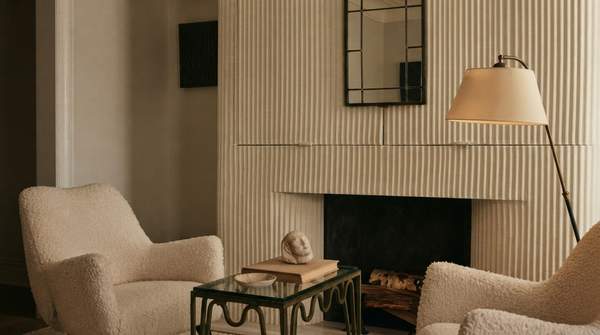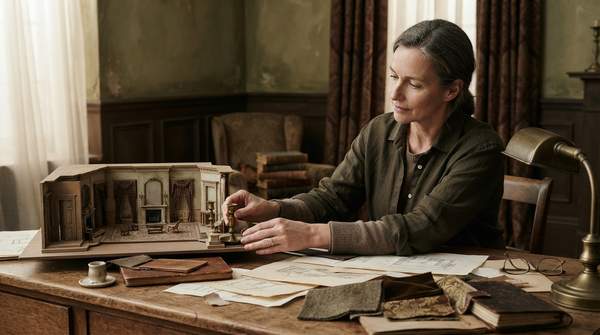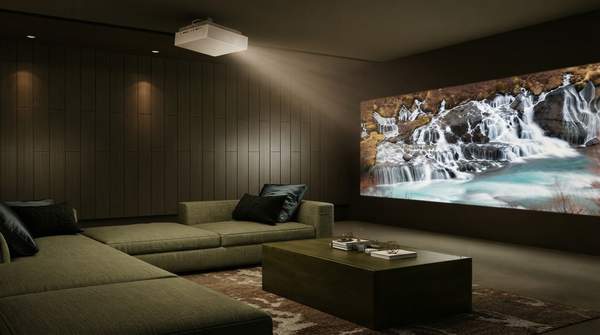
A film set talks. Before a character delivers a line of dialogue, the room around them has already said something about who they are, how they live, and what kind of story they're trapped inside. This is the hidden language of production design, and it is anything but accidental. As Briana Hilton explains in a Raindance essay on interior design and film, two living rooms—one immaculately arranged, one strewn with half-finished projects and yesterday's coffee mugs—build entirely different opinions about their occupants before anyone walks in. Filmmakers count on exactly that instinct. Here is a practical framework for reading it yourself.
The Hidden Language of Film Sets: Reading Character Through Design
Set design works because viewers are already fluent in environmental inference. A perfectly aligned row of books suggests discipline or control; a stack of records on mismatched chairs suggests creative chaos, poverty, or a life lived in motion. Production designers exploit this fluency deliberately, building environments that reveal personality without a word of dialogue. Hilton's advice to viewers is simple: ask yourself why one character's home feels inviting while another's feels impossible to relax in, then pay attention to the colors, the clutter, the furniture, and even the empty spaces. Once you start noticing those conversations happening without dialogue, she notes, you can't really stop.
The Architects of Atmosphere: Key Roles in Production Design
The look of a room is not one person's invention. Production designers oversee the art department and work closely with art directors, set decorators, and professional painters to develop a unified visual style. The color palette that supports the story is a collaborative construction, and every shade is carefully tested to make sure it works with the lighting, the costumes, and the camera. Finishes that make a space feel lived in, weathered, luxurious, neglected, or decades old are chosen deliberately, depending on what the script calls for. Understanding that a set is a team achievement helps explain why its storytelling can feel so coherent: many specialists are aligned on a single emotional target.
Decoding the Visual Language of Film Sets
The general idea that "sets tell stories" becomes more useful when broken into four distinct lenses. Each answers a different question about the characters on screen, and each is worth examining systematically rather than in passing.
| Element | The Question It Answers | Narrative Function |
|---|---|---|
| Color & Light | What is this character's emotional state? | Palettes establish emotional tone and reflect psychological conditions, sometimes over historical accuracy |
| Space & Layout | What are the relationships and power dynamics here? | Arrangement of furniture and empty space communicates comfort, discomfort, and social standing |
| Objects & Clutter | What is this person's history and daily life? | Props and personal items reveal habits, traits, and backstory without dialogue |
| Texture & Finish | How authentic is this world? | Surfaces add depth, making spaces feel lived in, weathered, or neglected as the script requires |
The value of separating the lenses is that it turns a vague impression into an articulated one. A scene may feel oppressive, but the framework lets you locate where that feeling comes from—whether it's the palette, the arrangement, the objects, or the surfaces—and say so specifically.